read about the latest trends
hear about new exhibtions
gain insights to our latest reports


The International Association of Horticultural Producers (AIPH) members consist of thousands of growers of flowers and ornamental plants around the world who are together united by one essential goal – promoting the place of plants in people’s lives.
About
Contact
AIPH is responsible for approving the world’s most exceptional horticultural expos creating long lasting green legacies in cities across the globe.
Overview
Media
Approved Expos
Contact
AIPH Blooming Economies & Cities to Inspire the World

AIPH Blooming Economies & Cities to Inspire The World 2.0. Up-to-date statistics from recent Expos hosted in Asia and Europe.
Learn moreAIPH hosts several conferences, webinars and events such as the International Grower of the Year award throughout the year. Read about these along with the latest news about the association’s activities.
Upcoming Events
News
Previous Events
Contact
AIPH International Grower of the Year

The AIPH International Grower of the Year Awards celebrate the best of the best in ornamental horticulture
Learn moreAIPH’s key aim is to stimulate demand for ornamental trees, plants and flowers worldwide. We are committed to supporting growers in achieving this by protecting and promoting the interests of the industry.

Ornamentals Groups
Contact
The AIPH’s Global Industry Intelligence Centre (GIIC) is an international hub for industry information and knowledge exchange.
International Vision Project
Statistical Yearbook
Consultancy and Bespoke Reports
Contact
Country Profile - Thailand

The report contains insights on production and consumption of the floriculture industry in Thailand, imports and exports, and business opportunities
DownloadAIPH Green City activities promote the essential role of plants in creating vibrant urban areas in which people and businesses can thrive.
Overview
News
Green City Guidelines
World Green City Awards
Contact
Hosting an International Horticultural Exhibition will change a city and its community forever
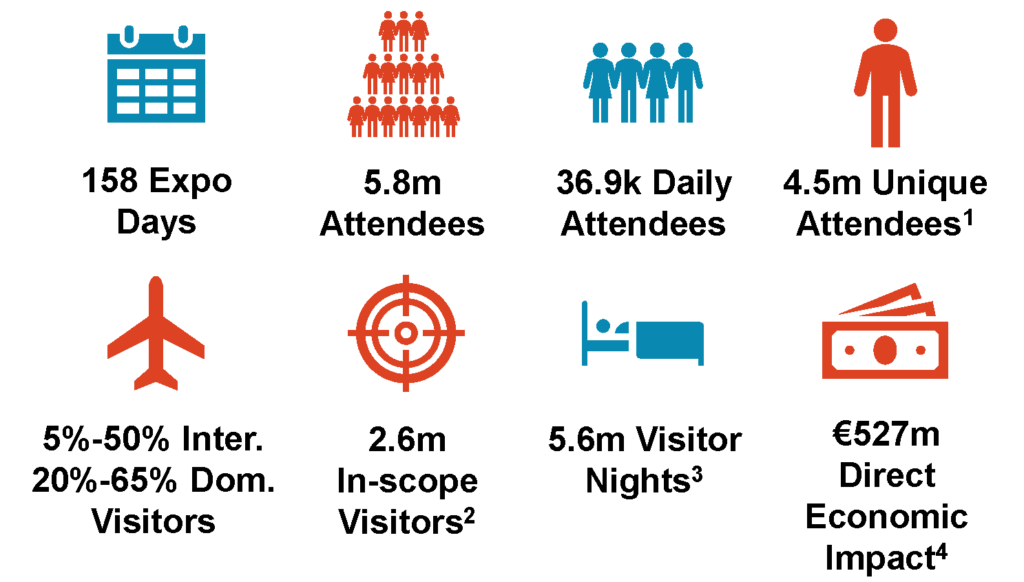
£527m
Is the estimated direct economic impact of an expo
Sustainable Expos
AIPH requires the Expo organiser to think of the Expo legacy and find sustainable solutions for the further use of the Expo park, infrastructure and support of the created immaterial legacies.
Long lasting diplomatic and trade relations
Previous host cities have reported their AIPH expos had participation from between 23 and 83 countries from all over the world
Investment in new infrastructure
One of the primary requirements for a successful Expo project is its integration with the city and region and a positive impact it can have on city development, mobility and land regeneration.
5 m people every year between 2015 – 2020
Raising focus on subjects that affect our planet
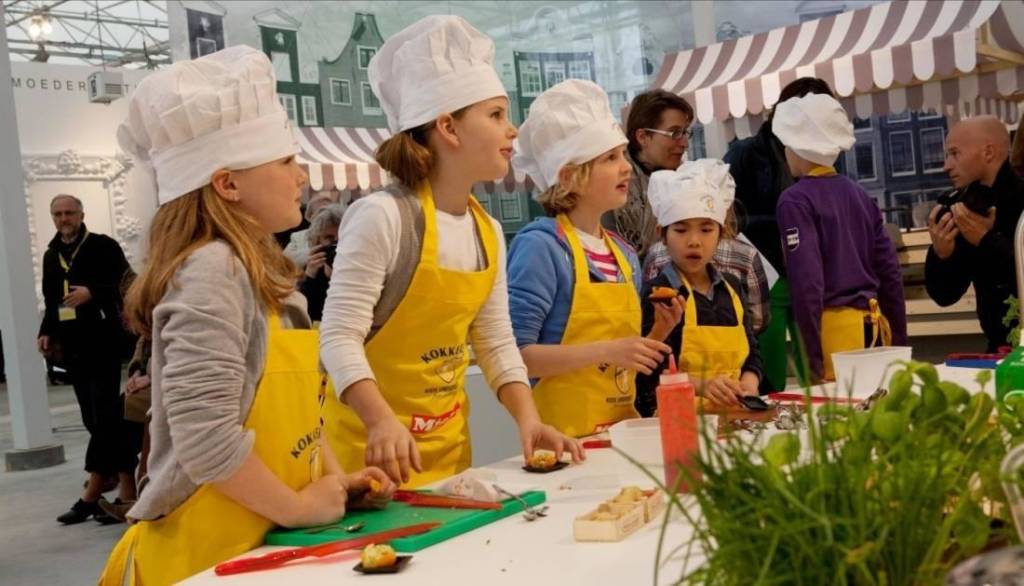
Horticultural expos are a source of inspiration and education on topics that affect our planet. 1500 was the number of educational activities for children held at 2012 Floriade, Venlo.
Collaboration and cohesion
Preparing, planning and hosting AIPH Expos bring together experts from different industries, often from the host city, to build together an institutional capacity that will benefit before, during and after Expos.
Hosting an Expo requires a significant investment, but its economic impact is often much higher.
We have conducted a study to estimate the direct economic impact, based on visitor spend in the host city while visiting the Expo solely.
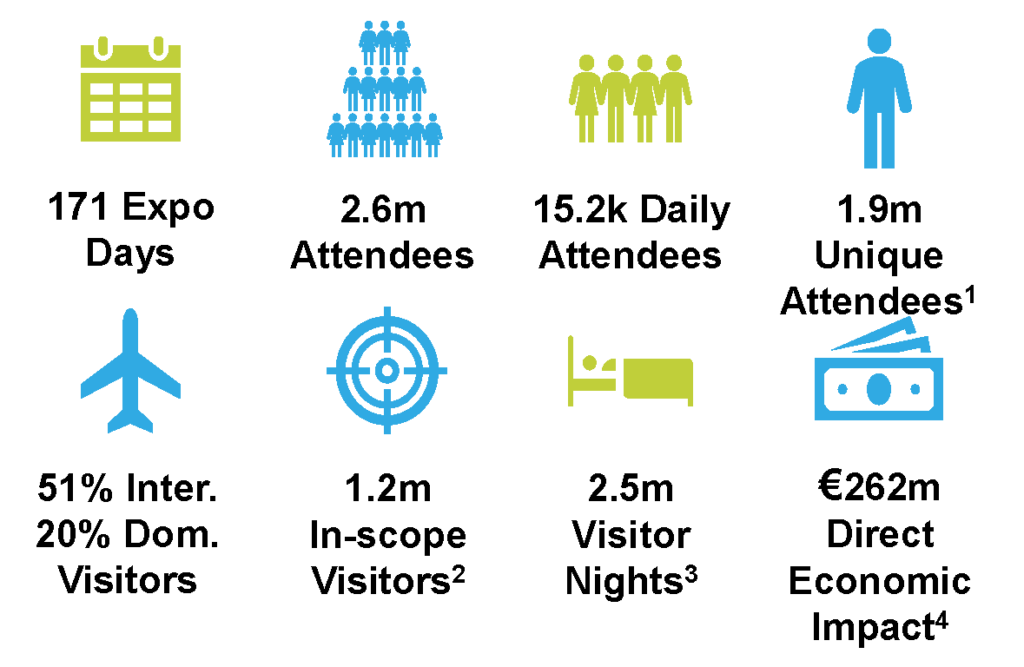
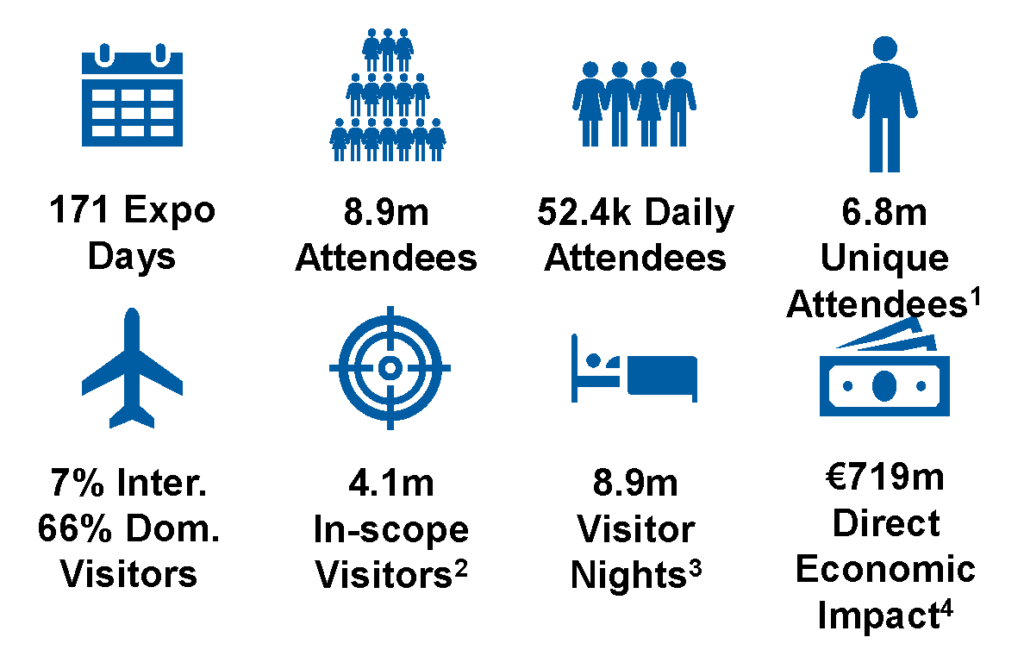
The following projected attendance, visitation and economic impact are based on average AIPH expo days and attendees across different expos, typically consisting of 30% local residents and 70% visitors. The split of international/domestic visitors will vary based on location and ease of access to nearby countries.
Not included in this study are indirect economic benefits such as the creation of new jobs, delivering a positive economic impact across sectors; revenues from infrastructure use and increase of land cost, increased investment, growth of workforce skills – all the impacts creating a positive economic dynamics for decades after the Expo.

1 Assuming 1.3 average days attended. 2 100% in-scope day-trippers and 80% in-scope overnight visitors. 3 Estimated 2.65 average nights for overnight visitors. 4 Assuming 15% day-trippers, 85% overnight visitors; €90 daily spend per overnight visitor and €38 per day tripper.
Budget: € 88,2 m (state subsidies)


The post-expo reports for 2003 IGA did not include all data required to undertake economic impact calculations. As such, assumptions from other global events have been used in relation to average visitor nights, daily spend, day trippers, overnight and in-scope visitors.
1 Assuming 1.3 average days attended. 2 100% in-scope day trippers and 80% in-scope overnight visitors. 3 Estimated 2.65 average nights for overnight visitors. 4 Assuming 15% day trippers, 85% overnight visitors; €100 daily spend per overnight visitor and €46 per day tripper.
Budget: € 283,8 m


The post-expo reports for the 2010 Taipei IFE did not include all data required to undertake economic impact calculations. As such, assumptions from other global events have been used in relation to average visitor nights, daily spend, day trippers, overnight and in-scope visitors.
1 Assuming 1.3 average days attended. 2 100% in-scope day trippers and 80% in-scope overnight visitors. 3 Estimated 2.65 average nights for overnight visitors. 4 Assuming 15% day trippers, 85% overnight visitors; €78 daily spend per overnight visitor and €31 per day tripper.
Sustainability is an integral element of AIPH Horticultural Expos and part of AIPH philosophy.
Expo planning and preparation requires the Expo organizer to think of the Expo legacy and find sustainable solutions for the further use of the Expo park, infrastructure and support of the created immaterial legacies.
These requirements are reflected in our Expo Regulations and supported by our Green City research. Through our Green City initiative, we promote the essential role of plants in creating vibrant urban areas in which people and businesses can thrive. Our environment, human wellbeing, social cohesion and economies are all improved by intelligently designed green space.
These developments support AIPH’s commitment to encourage the Expo organizers and contribute to the implementation of the United Nations 2030 Sustainable Development Goals.


AIPH expo sites increase the amount of green and public space, often becoming permanent green legacies for host cities. These new green areas enliven the lives of local residents and can attract new tourists from all over the world, often for many years after the AIPH expo is over.
Most AIPH expo hosts have proudly kept their expo sites as public parks, gardens or event venues for recreational use and future events.
Visiting former AIPH expo sites have become cultural attractions in many cities and have positively impacted people’s habit of participating in outdoor activities, increasing the overall liveability for all local residents.
In Hamamatsu, Japan, 2004 Pacific Flora Expo site became the Hamanako Garden Park, with a total area of 56 ha available to the public. It has significantly increased the population access to green areas in Shizuoka-Hamamatsu, the fifth prefecture of Japan by number of inhabitants (population in 2020 is 2,92 m people)

AIPH Expos contribute to increasing the host city’s reputation and improving its image worldwide. While preparing an Expo, cities sharpen their own vision for the future to create compelling communications, a transformative effect for city reputation locally, in their country and internationally.
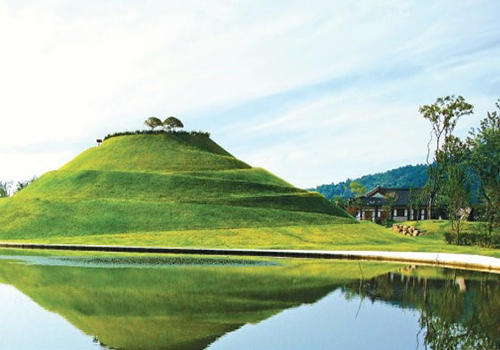
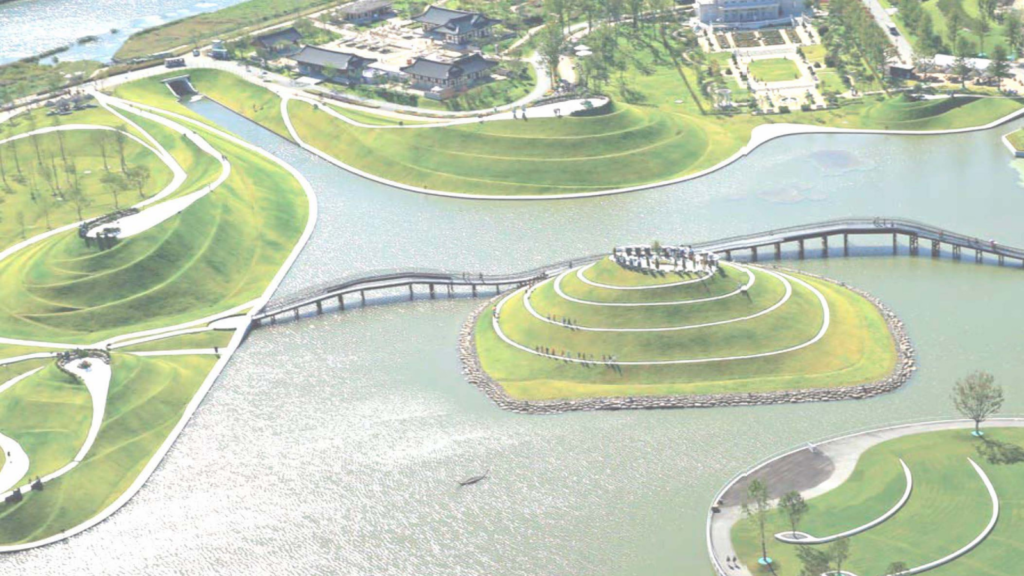
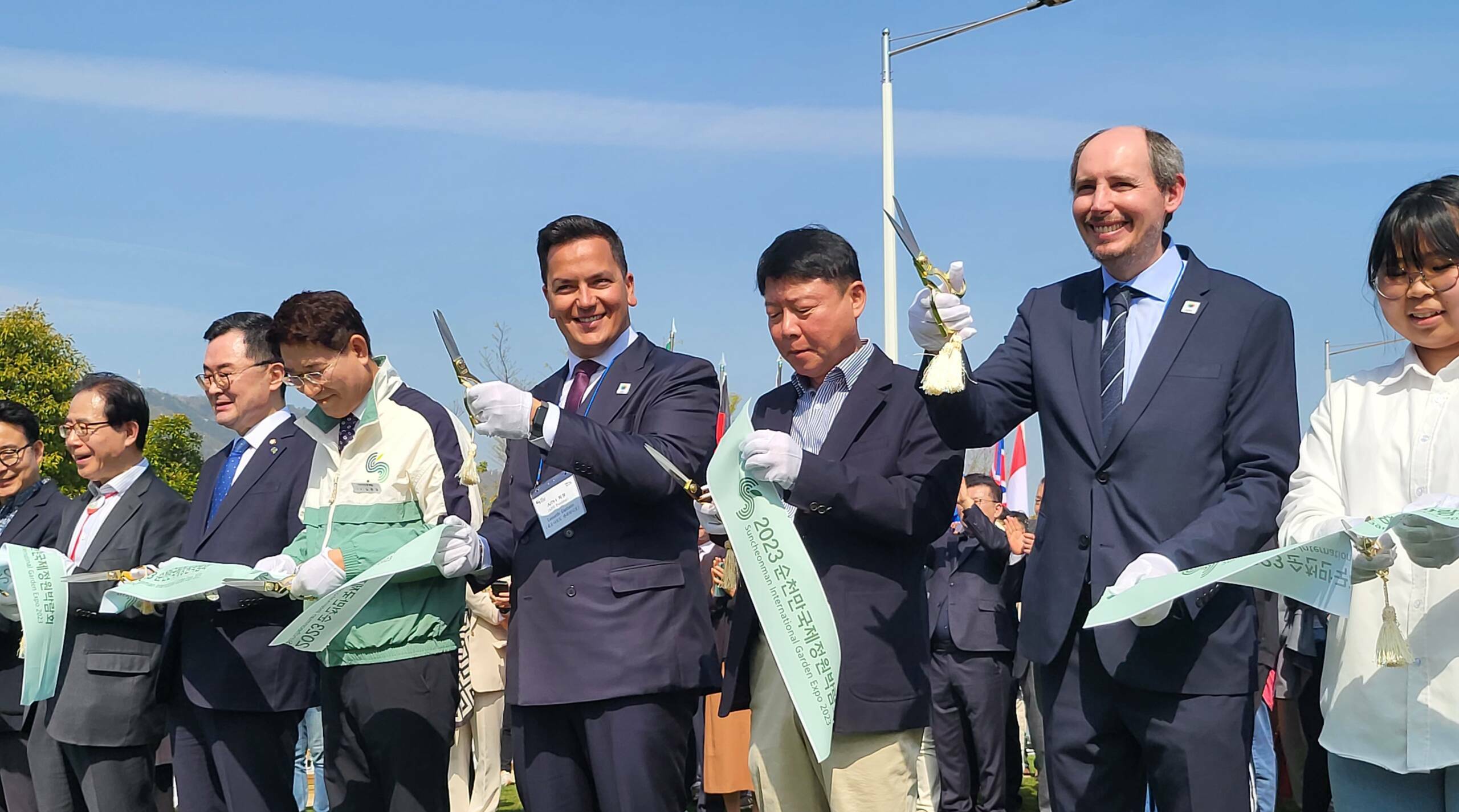
The city of Suncheon, South Korea, became known as the city spreading the new values in Korea. Its Suncheonman park, making part of the 2013 Expo site, was recognized as the first National Garden in Korea; with 15 more parks across Korea now applying for this distinction. The 2013 Expo motivated progressive health policies, sustainability initiatives, species preservation and raised the city profile internationally.
Given the Expos’ extensive visitation and international participation, they also attract businesses, foreign organizations, new citizens and investment in the long run as “the place to be”.


Hosting AIPH horticultural Expos can help facilitate unique opportunities for increasing trade and building and strengthening diplomatic relationships with countries from around the world.
Previous host cities have reported their AIPH expos had participation from between 23 and 83 countries from all over the world, who all gathered for the Expo and fostered strong and long-lasting diplomatic and trade relationships.

One of the primary requirements for a successful Expo project is its integration with the city and region and the positive impact it can have on city development, mobility, and land regeneration.
Previous expo hosts have reported the expo motivated afforestation and ecological initiatives, and their residents enjoy the new addition to their city.
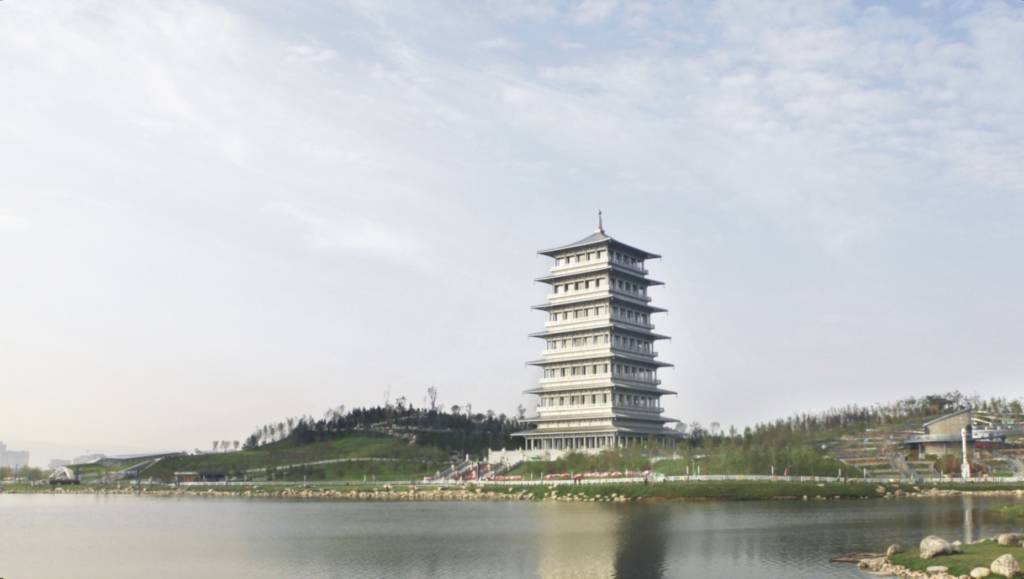
Xi’an 2011 Expo in China increased wetlands by 9.8%, 446 ha new afforestation area, +1933 ha forest land, 15% forest coverage rate.

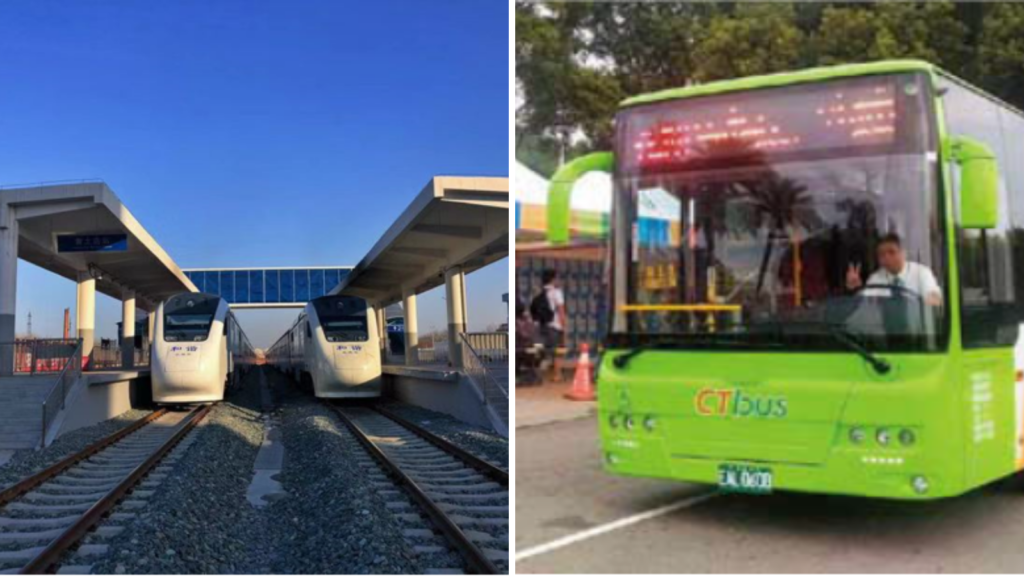
Large-scale events such as AIPH horticultural expos encourage investment in new infrastructure, which becomes a permanent addition to the city and improves quality of life for local residents.

Major events can become catalysts of tourism, according to OECD study which provides selected country approaches and guidance on:
One of the benefits of hosting AIPH expos is the opportunity it creates to drive future visitation. The city will attract visitors who might not have come to the region otherwise, increasing their likelihood of visiting again in the future and recommending the destination to others.
AIPH Expos offer a special asset created to showcase beauty and creativity – the Expo park, which impacts greatly a visitor experience in a new destination. Appreciation for gardens and horticultural tourism is a growing trend worldwide, and ornamental horticulture attracts millions of visitors from all over the world to gardens and parks each year.
In the UK alone, horticultural tourism has been increasing dramatically since 2014. In 2017, the sector accounted for £2.2 billion tourist spend, £2.9 billion GDP impact and 60,500 jobs. *
“Events are an increasingly important motivator for tourism, figuring prominently in the development and marketing of most destinations and playing a growing role in destination competitiveness.”
OECD
* Source: Oxford Economics – The economic impact of ornamental horticulture and landscaping in the UK – Oct 2018
The 2013 Expo site, Suncheon Bay National Garden, was visited by an average of 5 m people every year between 2015 and 2020.
1st place in national assessment of summer vacation satisfaction, 2018.
Annual benefit from Suncheonman National Garden Visitation is €193,4 m

International Expos were envisioned to be source of inspiration and education for the world.
According to the historical BIE convention of 1928:
“An exhibition is a display which, whatever its title, has as its principal purpose the education of the public”.
Even more so today are Horticultural Expos, with subjects they raise that affect our planet. The impact of AIPH Expos on citizen education, knowledge exchange, generation of ideas and development of a knowledge economy is huge particularly in:
In 2009 the Floriade 2012 started the Floriade Dialogue program.
The Floriade Dialogue is the knowledge exchange program and an international platform, bringing together international professionals within the field of science, business and government.
The Floriade 2022, Amsterdam-Almere, continues the Floriade Dialogue with the topics revolving around its central theme: ‘Growing Green Cities’, and its four subthemes: ‘Green, Food, Health or Energy’. One of the Expo subthemes becomes the leading theme for each Dialogue. The Dialogue programme consists of 5 editions a year.
Following the Floriade Dialogues and Floriade 2012, some countries took Greenport Venlo as an example in the development of their own food production. Knowledge exchange created by the Expo provided for new business opportunities and forms of cooperation for local companies, internationally.
Preparing, planning and hosting AIPH Expos brings together experts from different industries, often from outside the host city, to build together an institutional capacity that will deliver benefits before, during and after the Expo.
Planning for reuse of Expo site and its buildings, integrating clean and green infrastructure and developing future economic models are not the only legacy plans of each Expo. Long-term success for the city also comes from the institutional capacity legacy: expertise in mega event hosting, fundraising; improved strategy, communications and marketing, as well as political cohesion and experience in mega-projects handover.
Organisers of Royal Flora Ratchaphruek, Thailand, started in 2006 with the A1 expo and continued for the second time in 2011 with the B category Expo. They increased their capability to organize a World-Class exhibition in Thailand, creating the world’s leading Tropical Horticultural Exhibition with a significant trading ground for agricultural technology and unique international plant specimens by promoting the potential of Thai garden plants.
Organising the Deaflympics, in Taipei 2009, was an invaluable chance to begin a dialogue with the world of sport. An Horticultural Expo followed in 2010.
The 2019 Expo project in Taichung was initiated by a mayor from a different political party than the current one, who successfully continued and delivered the project.
“Taichung City Government team had enjoyed a creative international event and acquired experience of cohesion. We will move on with remarkable experience learned from the Expo and shine on an international stage again.”
Lu Shiow-Yen, Mayor of Taichung, April 2019