


read about the latest trends
hear about new exhibtions
gain insights to our latest reports

The International Association of Horticultural Producers (AIPH) members consist of thousands of growers of flowers and ornamental plants around the world who are together united by one essential goal – promoting the place of plants in people’s lives.
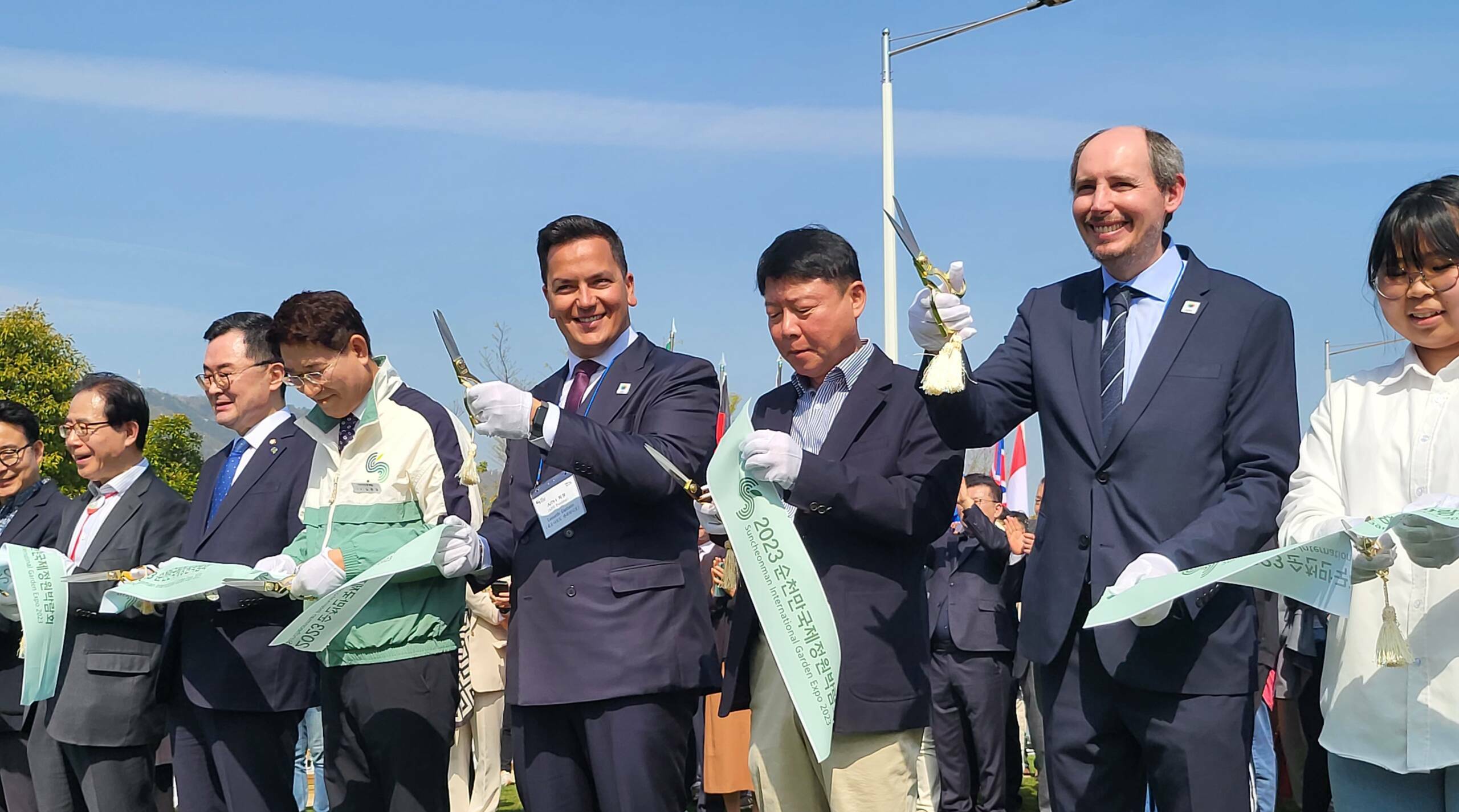
Our Annual Review in 2023 marks AIPH'S 75th Anniversary and the many activities we have achieved
Learn moreAIPH is responsible for approving the world’s most exceptional horticultural expos creating long lasting green legacies in cities across the globe.
AIPH Blooming Economies & Cities to Inspire The World 2.0. Up-to-date statistics from recent Expos hosted in Asia and Europe.
Learn moreAIPH hosts several conferences, webinars and events such as the International Grower of the Year award throughout the year. Read about these along with the latest news about the association’s activities.
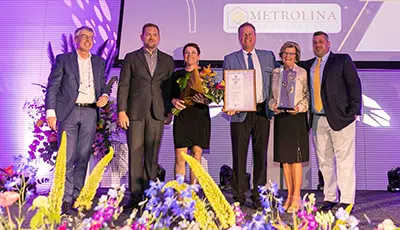
The AIPH International Grower of the Year Awards celebrate the best of the best in ornamental horticulture
Learn moreAIPH’s key aim is to stimulate demand for ornamental trees, plants and flowers worldwide. We are committed to supporting growers in achieving this by protecting and promoting the interests of the industry.
The AIPH’s Global Industry Intelligence Centre (GIIC) is an international hub for industry information and knowledge exchange.
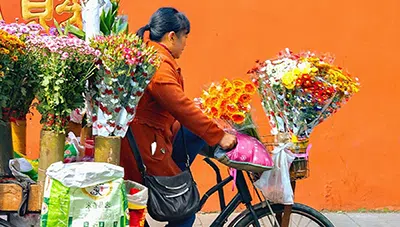
The report contains research into; Working middle class in China. Domestic production in China & Retail research summary of the floral retails survey.
DownloadAIPH Green City activities promote the essential role of plants in creating vibrant urban areas in which people and businesses can thrive.
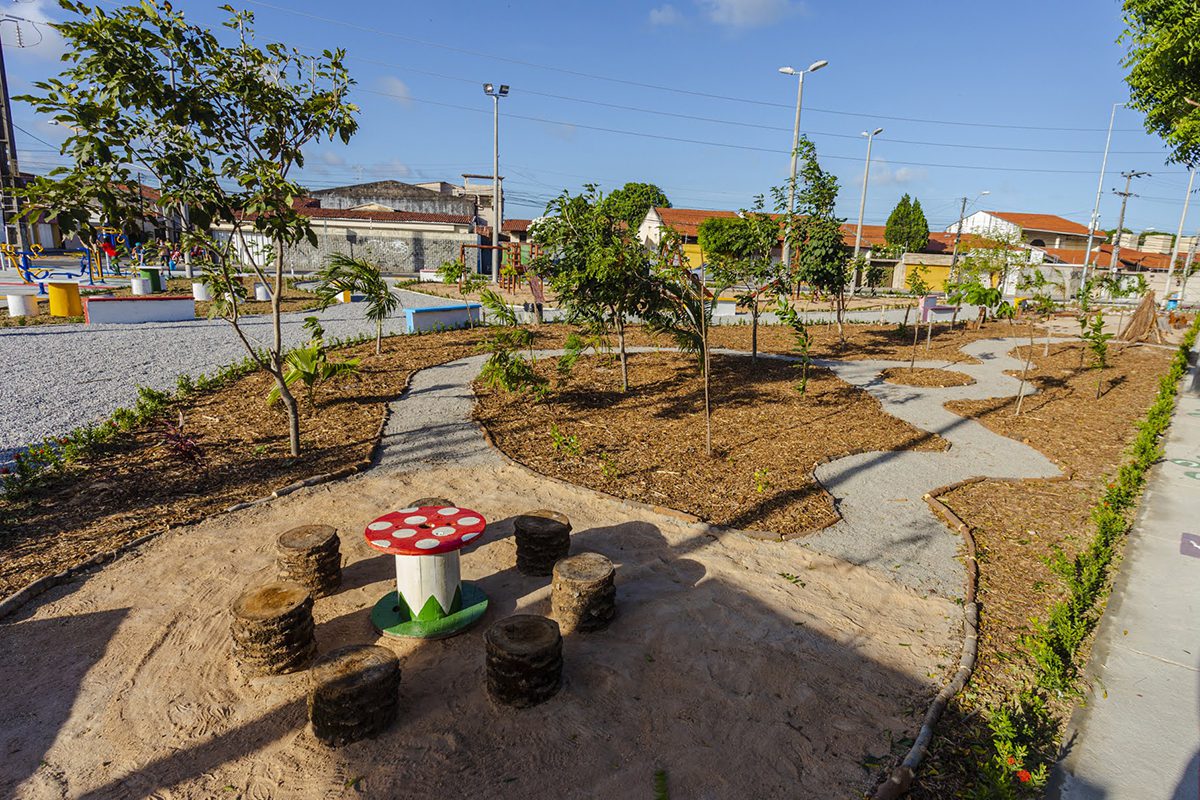
Photo by José Leon
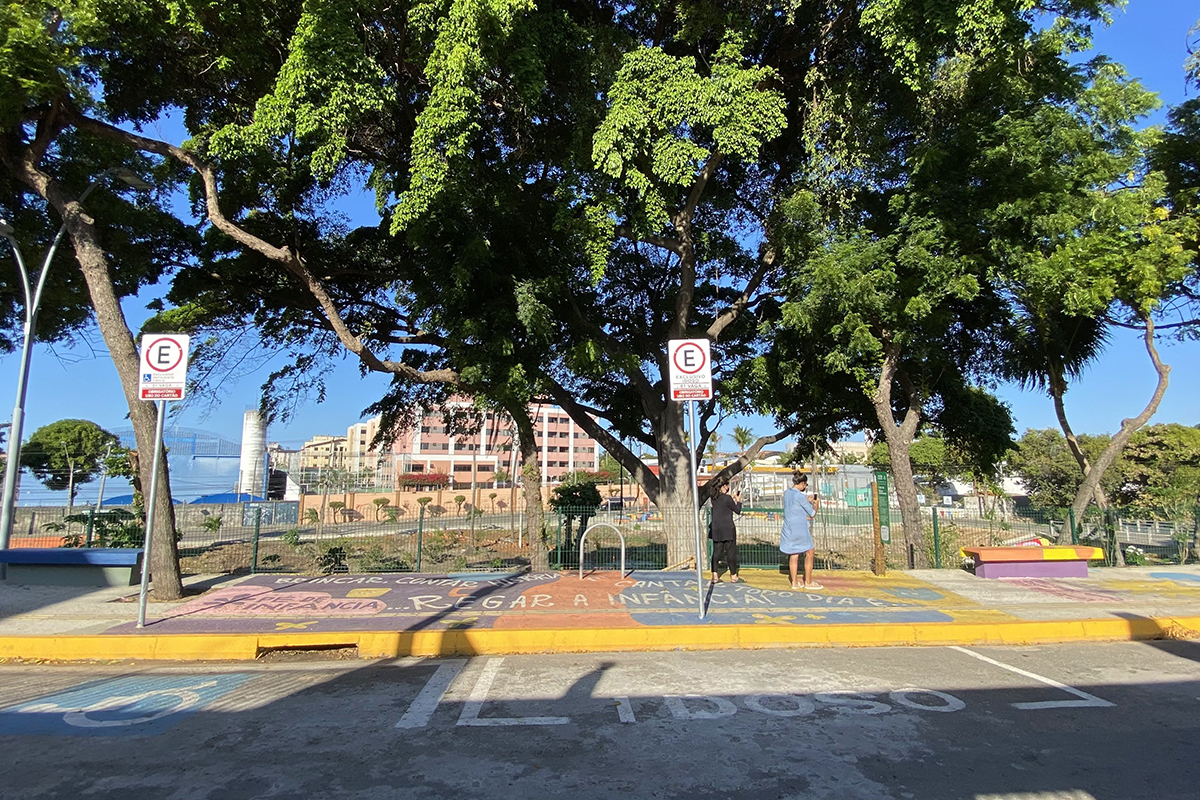
Photo by José Leon
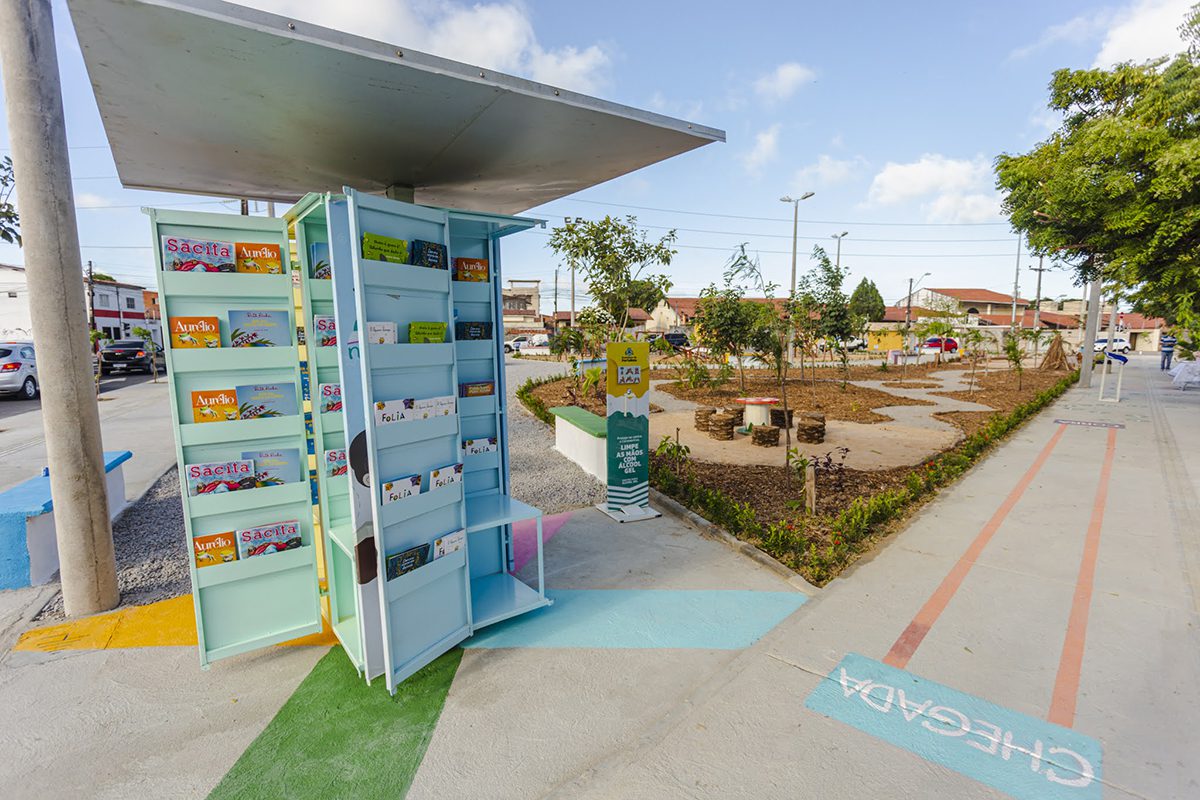
Photo by José Leon
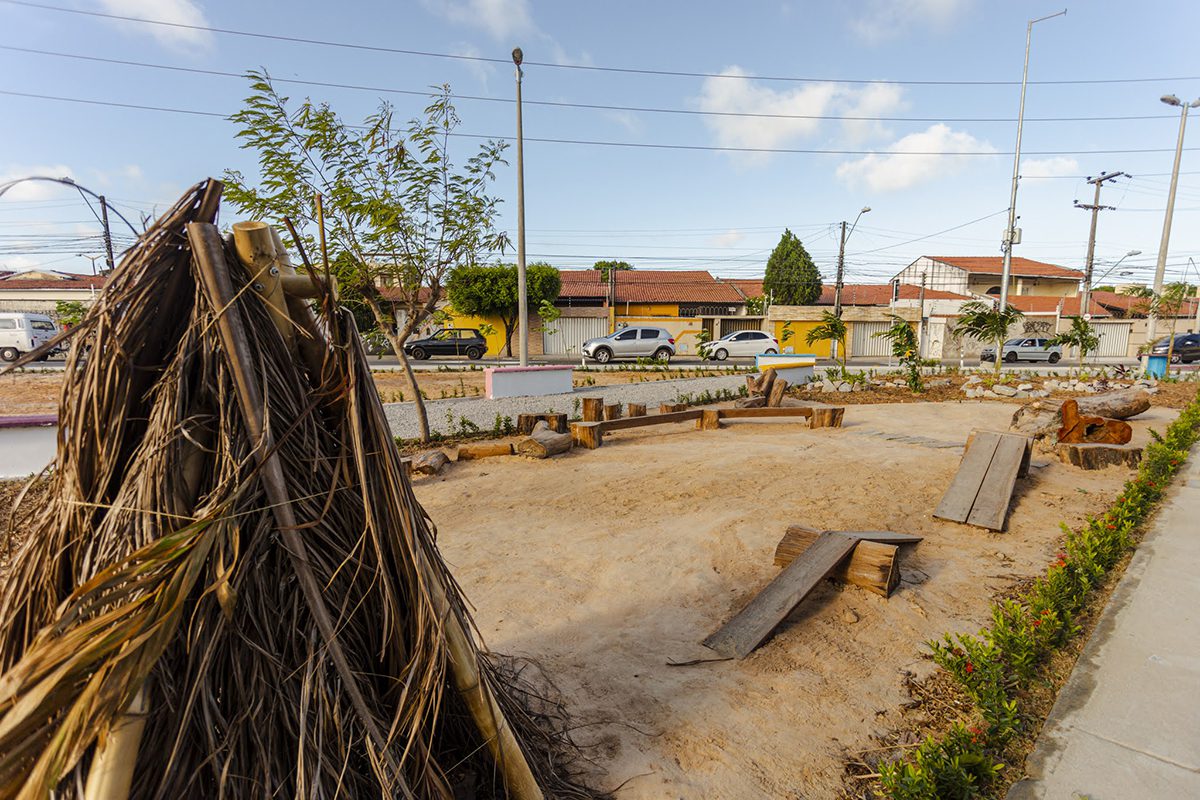
Photo by José Leon
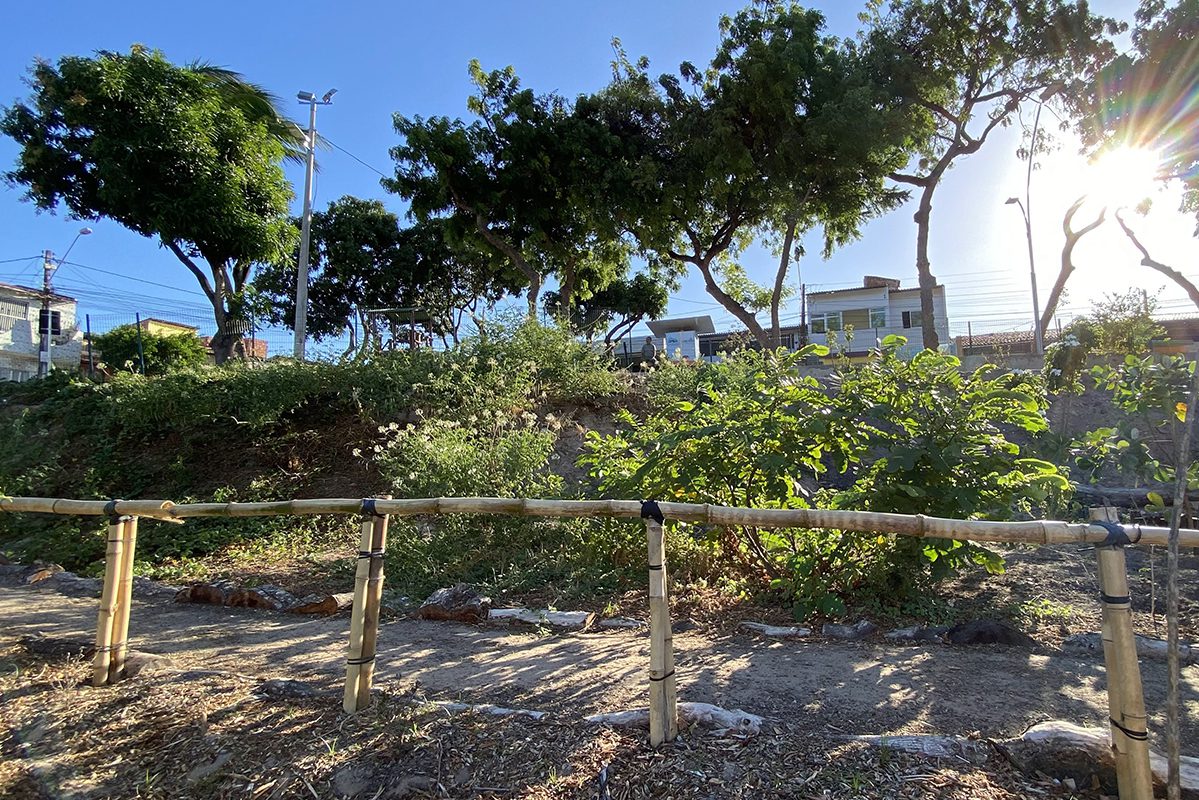
Photo by Seu Zequinha
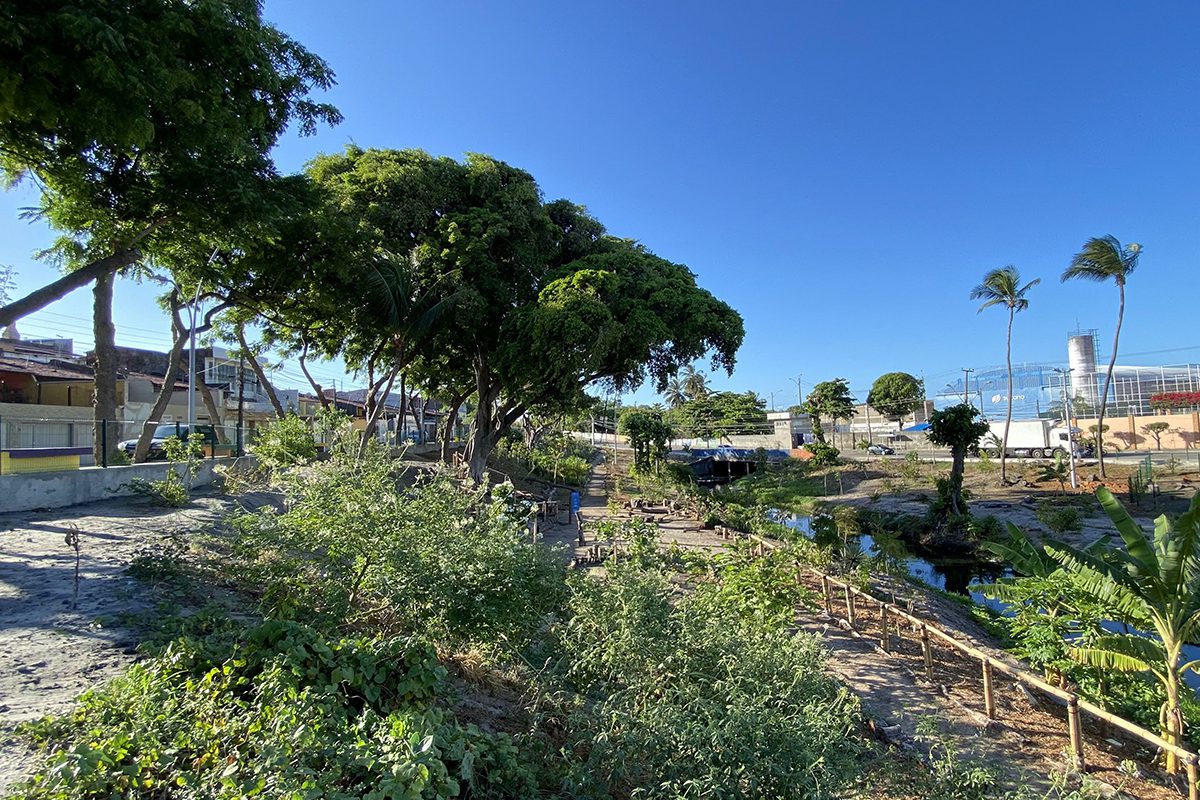
Photo by Seu Zequinha
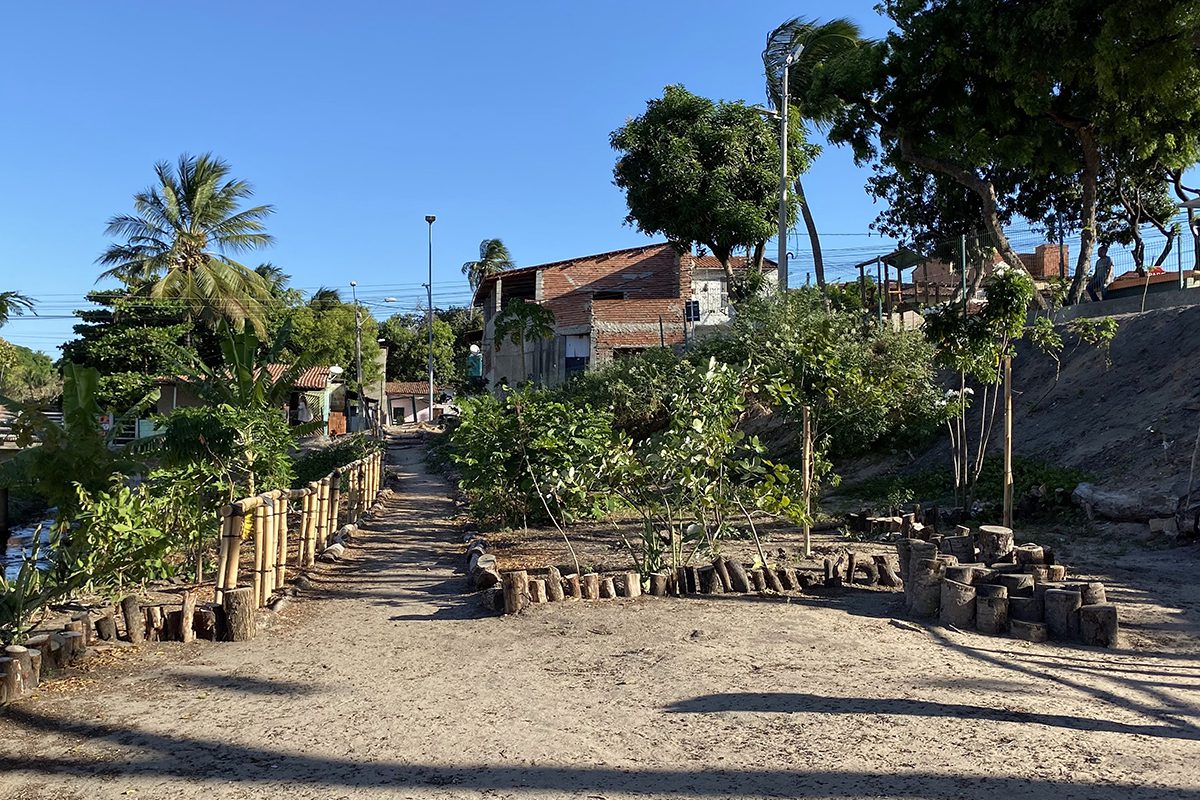
Photo by Seu Zequinha
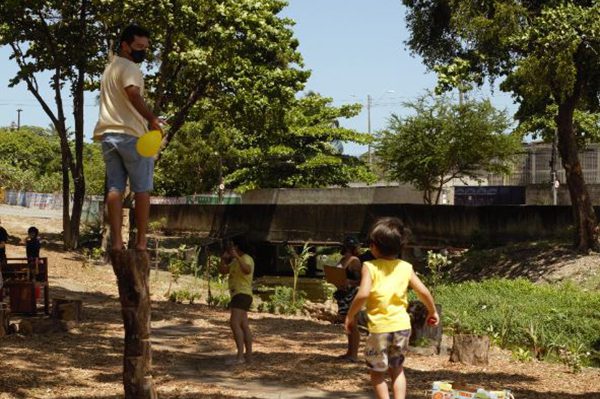
Photo by Seu Zequinha
| City: | Fortaleza |
| Country: | Brazil |
| Award Categories: |   |
| Winner: | |
| Connect: |      |
* This case study was written by the city and has not been edited by AIPH
Fortaleza is a city in north-eastern Brazil that, like many other cities in developing countries, has experienced accelerated urban growth marked by social inequalities. Outdoor spaces have, since the beginning of the worldwide Covid-19 pandemic until today, been identified by the scientific community as low-risk and strategic in the safe return to community life. In the context of Fortaleza, where access to public leisure areas is restricted and unequal, the Urban Micro Parks have become a low-cost and fast implementation alternative to expand this offer in more vulnerable areas with high population density.
The Urban Micro Parks program is an initiative of the Municipality of Fortaleza, through the Innovation Lab of the Foundation of Science, Technology and Innovation and the Municipal Secretary of Urbanism and Environment, in partnership with the Urban 95 Network. Urban Micro Parks combine two concepts for the recovery of degraded areas and the construction of new public spaces for the population to be in contact with nature. The Naturalized Park concept proposes the use of elements such as trunks, branches and the topography and vegetation of the land to create places for socializing and playing that are more attractive and challenging for children. They are also a simple and cheap way to expand the network of urban green areas. The concept was presented by Alana Institute, a partner of the city of Fortaleza through the Urban 95 Network, a global initiative that seeks to include the perspective of babies, young children, and caregivers in urban planning and in the programs and services offered by cities. The Urban Micro Park is a combination of a Naturalized Park and a traditional square, with elements already known and demanded by the population, such as benches and garbage bins, sidewalks for walking, improvement in public lighting, with the insertion of natural elements, using pruned wood to produce furniture, maintaining the permeability, vegetation, and topography of the terrain.
The Urban Micro Parks can offer elements such as spaces to play, sit, gather, trails, climbing elements, community vegetable gardens, among others. Because it does not require major construction, it is an inexpensive project and fast to implement. The construction of natural parks has saved 60% of what would be spent on paved parks, according to the traditional model and better provides a favourable environment for increased cognitive development in early childhood.
After the implementation of the first two urban micro parks between 2020 and 2021, 3 other locations were selected in diverse neighbourhoods to receive the pilot projects. Besides, in the government plan of the new municipal administration a goal of expanding to forty micro parks implemented in the various regions of the city of Fortaleza by 2024 was proposed. Already with the feasibility of 30 of them guaranteed through an External Financing Program with the World Bank. Furthermore, the Micro Parks were also included as priority actions both in the revision of the municipal plan for early childhood and in the detailing of the walkability plan.
Contact
Fortaleza plans to transform 40 areas into Urban Micro Parks before the end of 2024
In a context of socio-economic and urban inequality, aggravated by the COVID-19 pandemic, low-income families and children are in an extremely vulnerable situation, lacking access to services and public spaces. Related, there is an emerging distance between children and nature, causing many health problems whilst cities are left with plenty of degraded and stigmatized public spaces, subject to waste disposal, violence and irregular occupation.
The proposed transformation of these lands into low cost and maintenance Urban Micro Parks addresses the problem of uncertainty, disruption, and crisis, by creating spaces in vulnerable areas that promote contact with nature and community life. The local community and related city departments are engaged from the beginning and make use of available resources to bring new uses, recover green spaces and create new opportunities. The maintenance of the spaces is shared between the community and the city, which stimulate governance and good behaviour.
Fortaleza is characterized by a remarkable socio-economic and urban inequality. More than 143.000 families live in precarious situations of extreme poverty, with children being the most vulnerable group.
In addition to the lack of services and public spaces, there is an emerging distancing between children and nature, with the natural world increasingly not being perceived as essential for childhood. The consequences for children are significant: obesity, hyperactivity, attention deficit, emotional imbalance and low mobility are some of the health problems caused by this context, aggravated by the COVID-19 pandemic.
In just ten years (2004 to 2014), the natural areas of Fortaleza reduced from 35.6% to 21%, equivalent to 6.42m² of green area per inhabitant, half of WHO’s recommendation. On the other hand, the City of Fortaleza has 389 non-urbanized land, many of which are degraded, subject to waste disposal, urban violence, irregular occupation, among others.
The proposed transformation of these lands into low cost and maintenance Micro Parks addresses the problem of uncertainty, disruption, and crisis, by creating spaces in vulnerable areas that promote contact with nature and community life.
Outdoor spaces have been, since the beginning of the worldwide Covid-19 pandemic until today, identified by the scientific community as low-risk and strategic sites in the safe return to community life. In the context of Fortaleza, where access to public recreational areas is restricted and unequal, the Urban Micro Parks have become a low-cost and fast deployment alternative to expand this offer in more vulnerable areas with high population density.
The uses provided at the natural spaces of Urban Micro Parks have as their main focus the child development, through the exercise of playing in nature still in the 1st childhood, and the contact between children and caregivers. This contact with nature is beneficial not only for children, but for the community, considering the worsening of anxiety and other mental disorders due to isolation in the COVID-19 pandemic.
As it is located close to public facilities, the project integrates with the public services offered. For example, the proximity to an Eco point, facility equipped for the disposal of recyclable and construction waste recently inaugurated, and the environmental awareness campaigns carried out by the city in the local community, encouraged the population to give the correct destination to the waste, maintaining the area clean. Moreover, the proximity to a Public School, encouraged the school body to develop outdoor learning activities in the Micro Park, which offers adequate spaces for gathering for this purpose.
The Micro Urban Park project addresses several public policies:
Urban Regeneration, using existing public space maintenance contracts, a new quality green space is created for leisure, meeting and contact with nature Environment, with the use of pruned wood, which was previously sent to the landfill, green spaces have a new use, discouraging bad attitudes of the population such as littering, crimes, irregular occupation. It also creates a natural space with better air quality, fruit trees, and allowing low-income communities to have access to nature.
Community Life, an important part of the project is the engagement and participation of the local community, which is involved from the beginning in the design of the project until the launch of the intervention and afterwards. In the end, the Urban Micro Park is under the responsibility of a management council, assembled by the residents of the area, who take care, organize the use of the space, and have a direct channel with the Municipality.
Education and Early Childhood, by promoting outdoor learning and contact with natural elements, essential for proper child development.
The proposed approach of conserving the natural spaces of the land to be urbanized, reducing the paving areas (and consequent waterproofing of the land) reflects an economy of local resources. Implementing an Urban Micro Park Project costs on average 25% less than a traditional square, which currently totals more than 115,600 USD saved by the city.
In addition, with the new project, local commerce is impacted and new forms of entrepreneurship, such as the sale of food and beverages and rental of children’s toys in the Micro Park area, bring new urban dynamics, generating income and jobs.
Finally, with the recovery of previously degraded land, the value of neighbouring properties is observed, with the emergence of new uses, such as schools, commerce, and comments from residents of the areas who reported that plans to leave were aborted. This indication opens the possibility, still to be explored, for the City to use the recovery of real estate value as a financing instrument with developers and property owners to raise funds that can be reinvested in community and local services.
The Urban Micro Parks concept combines square with naturalized park, presenting elements of the traditional square, already known, and demanded by the population, such as benches, waste bins, sidewalk in the surroundings, while recovering and maintaining the natural aspects of the interior of the land. The degraded area goes through several physical transformations: new sidewalks, renovated street signage, improved public lighting and accessibility, implemented natural spaces with landscaping, afforestation and insertion of natural elements that promote meeting, play, outdoor learning, physical activity and contact with nature. Elements such as trunks and branches (from the pruned urban wood previously sent to the landfill) and the topography and vegetation of the land are used to create new furniture and places for socializing and playing that are more attractive and challenging for children, maintaining the permeability, vegetation and topography of the terrain. Furthermore, as it does not require major capital works, the project is a simple and inexpensive way to expand the network of urban green areas.
Since the project addresses several public policies (Environment, Early Childhood, Requalification of Public Spaces, Waste Management, Public Safety) several local government departments were involved. The conception, community engagement, design, and implementation of the project were carried out by the technical team of the City, using existing public contracts of requalification and maintenance of public spaces and had the financial support (approx. 5,500 USD) from the Urban95 Network to implement the new concept of naturalized parks.
The engagement of the local community at all stages of the project for shared decisions and support in the implementation was essential to the success of the project. After the delivery of the transformed area, a management council was created for the shared administration of the city with the local community, bringing new perspectives of governance and active participation. The local community maintains the space, watering and pruning plants, keeping it clean. City Hall performs more robust maintenance beyond the capacity of the local community. This sharing of attributions generated a greater sense of responsibility for the public space of the citizens since greater care and usage was perceived.
After the delivery of the Urban Micro Parks to local communities, a major transformation was seen in the way the area is used and perceived by the population. The population started to use the space for walking and physical activity, meeting, holding community events and fairs, being in contact with nature, taking care and maintaining the vegetation and the created spaces. There was an increase in adults, elderly and children in the areas. Irregular waste disposal points and urban violence are eliminated from the site.
The Urban Micro Parks project directly impacts local communities, providing access to a quality public space that promotes contact with nature. It is estimated that so far, 18,500 low-income people, 60% of which are non-white, have benefited from the implementation of 2 Micro Parks. The project is designed to encourage leisure, outdoor learning, and physical activity, in addition to expanding the city’s green coverage. 10,400 m² of previously stigmatized areas become a community meeting place, as reported by a local resident: “It totally changed the scenario, bringing not only physical, but also psychosocial transformations. It’s amazing the feeling of safety, even without the police presence, and it’s well lit, well inhabited. Residents got to know each other. I lived here for 20 years, and I did not know anyone”.
From the beginning of the project, local actors were engaged in the project, with their observations being included in the proposal, participation in the project implementation and creation of a community council for the maintenance of the space after delivery. This contributed to the sense of belonging of the local community. Neighbours, who had no contact with each other, began to carry out community activities (prayer groups, birthdays, use of the community garden, among others) and collectively managed the space. Which also generated a greater sense of safety and encouraged the practice of physical and leisure activities.
With the positive repercussions of the implementation of the project in 2 areas of the city, the Urban Micro Parks program was included as a goal in the government plan of the new local administration, with an expansion of 40 Micro Parks planned until 2024. And the feasibility of 30 guaranteed through an External Financing Program with the World Bank (Fortaleza Cidade Sustentável). In addition, micro parks were also included as priority actions both in the review of the Local Plan for Early Childhood and in the detailing of the Walkability Plan.
The execution of the project also brought to the local administration innovative approaches towards the collection and use of pruned wood as well as community engagement both with the general population and children, which was present in all stages of the project. There was also intensive intersectionality between the various local agendas and departments that were mobilized and contributed to the project’s implementation.
The Urban Micro Park Project is already a reference in Brazil, with other cities that are part of the Urban 95 Network seeking references and testing the model.
Furthermore, in the local context, the team received the demand for sharing information about the project from private initiatives focused on early childhood that have also embraced the concept of micro parks or naturalized parks in their spaces, such as day care centres (Aquarela) and the Union of Construction Companies (Sinduscon).
The concept of micro parks will also soon be expanded to different initiatives within municipal management by formulating the creation of play gardens within the physical space, but also outdoors, of municipal schools.
The design of the equipment and the furniture is made based on the geography and the natural resources that the place offers. Moreover, the pruning wood from the city, which is normally discarded, is used in the intervention, for the production of equipment and coverings. The Micro Park is an alternative to the construction of traditional squares, with reduced paving, increased permeability, and increased vegetation coverage.
The design of the equipment and the furniture is made based on the geography and the natural resources that the place offers. Moreover, the pruning wood from the city, which is normally discarded, is used in the intervention, for the production of equipment and coverings. The Micro Park is an alternative to the construction of traditional squares, with reduced paving, increased permeability, and increased vegetation coverage.
The Urban Micro Parks program is an initiative of the Municipality of Fortaleza, through the Innovation Lab of the Foundation of Science, Technology and Innovation and the Municipal Secretary of Urbanism and Environment, in partnership with the Urban 95 Network. Urban Micro Parks combine two concepts for the recovery of degraded areas and the construction of new public spaces for the population to be in contact with nature. The Naturalized Park concept proposes the use of elements such as trunks, branches and the topography and vegetation of the land to create places for socializing and playing that are more attractive and challenging for children. They are also a simple and cheap way to expand the network of urban green areas. The concept was presented by Alana Institute, a partner of the city of Fortaleza through the Urban 95 Network, a global initiative that seeks to include the perspective of babies, young children and caregivers in urban planning and in the programs and services offered by cities. The Urban Micro Park is a combination of a Naturalized Park and a traditional square, with elements already known and demanded by the population, such as benches and garbage bins, sidewalks for walking, improvement in public lighting, with the insertion of natural elements, using pruned wood to produce furniture, maintaining the permeability, vegetation and topography of the terrain.
With the creation of the managing council of each micro parks, there was greater community awareness and empowerment, with locals now having greater access and contact with the city, being able make demands more effectively representing the community as a whole. Also, the change in behaviour begins in perception of the transformed space, since what was previously noticed for the final disposal of waste, urban violence, and irregular occupation, started to be perceived as a place for leisure, contact with nature and community integration, destined for all users.
With the creation of the managing council of each micro parks, there was greater community awareness and empowerment, with locals now having greater access and contact with the city, being able make demands more effectively representing the community. Also, the change in behaviour begins in perception of the transformed space, since what was previously noticed for the final disposal of waste, urban violence, and irregular occupation, started to be perceived as a place for leisure, contact with nature and community integration, destined for all users.
The implementation of the first two urban micro parks was done as a pilot project within the innovation lab of Fortaleza, with joint efforts of multiple secretariats and technical support of the Urban 95 network to make the implementations possible. With the expansion of the policy, the engagement with the population, design and implementation of 30 more micro parks are guaranteed through an external funding edict. An expansion manual with the learnings and indicators collected by the laboratory should be made available to the Secretariat of Urbanism and Environment, which will be responsible for the expansion of the policy