The International Association of Horticultural Producers (AIPH) members consist of thousands of growers of flowers and ornamental plants around the world who are together united by one essential goal – promoting the place of plants in people’s lives.
AIPH hosts several conferences, webinars and events such as the International Grower of the Year award throughout the year. Read about these along with the latest news about the association’s activities.
AIPH’s key aim is to stimulate demand for ornamental trees, plants and flowers worldwide. We are committed to supporting growers in achieving this by protecting and promoting the interests of the industry.
17 October 2023 - 17 October 2023, 1:00 pm - 2:00 pm BST, Online
AIPH, in collaboration with the Worshipful Company of Gardeners, proudly presents Green City Briefings 2022/23, sponsored by Expo 2023 Doha, Qatar. This year it is even more global, featuring cities around the world that demonstrate significant progress in including plants and nature in their city’s form and function.
Each one-hour webinar will start with a presentation by an expert describing the principles that explain how urban greening benefits the city, its residents, and nature. The second presentation will be from a city demonstrating how the practice creates transformational change. Facilitated by a fellow leader on the topic there will be discussion structured around submitted questions. This provides experts from around the world the opportunity to showcase and connect knowledge to practice.
Last year the City of London Green City Briefings saw attendees from 50 different countries join AIPH’s series and we hope to see a similar level of inspiration and knowledge sharing this year. The previous eight Green City Briefings webinars presented compelling evidence and examples of the power of ‘living green’ in delivering multiple solutions to city challenges.
↓Scroll down to register for the briefings↓
In a unique development to the online format, we invite audience members to submit questions and begin discussion on the AIPH Global Green City Forum: A virtual space dedicated to driving transformative change in cities by harnessing the power of plants and nature. The AIPH Global Green City Forum is an online community for all individuals with an interest in learning, sharing, and inspiring a global movement for greener, healthier, and more sustainable cities. Here you can post questions to speakers and join the discussion ahead of each webinar. All the webinar recordings will be available to access on this free platform. AIPH warmly invites you to join the AIPH Global Green City Forum
AIPH also invites you to subscribe to receive the monthly AIPH Global Green City Update direct to your inbox. This monthly mailing comprises the latest news and events, best practice and case studies, policy and green city principles, and research findings from around the world. Subscribing to the AIPH Global Green City Update will ensure that you never miss an announcement regarding the 2022/2023 Green City briefings. Stay up to date with all things Green City by subscribing today!
Feature City: Doha, Qatar
The Green City Briefing series 2022/23 has explored the many benefits of plants in cities, from their ability to create space for social connection, to their aesthetic and psychological benefits. We have seen how urban gardening and community greening initiatives can create social connections and promote healthy lifestyles, and how integrated urban green initiatives have promoted economic recovery and inclusive growth.
This final briefing highlights the many opportunities to harness the power of plants to create healthier, biodiverse, and more sustainable cities.
Tim Briercliffe is the Secretary General of the International Association of Horticultural Producers (AIPH), a position he has held since 2013. Tim spearheads the association’s many initiatives, including Green City, Expos, the Intelligence Centre, and more.
Tim has extensive experience in the horticultural industry, having previously worked as Director of Business Development at the Horticultural Trades Association (HTA) in the UK. He also has a horticulture degree from Reading University and has worked on nurseries in the UK and Canada.
Sam Lemheney
Having delivered the Philadelphia Flower Show for many years, Sam understands how to engage audiences using plants and flowers as the entertainment stars. In this session, Sam will present his experiences of plant selection and display for the AIPH pavilion at Expo 2023 Doha Qatar. Sam believes that the visual display can be supported by powerful messaging to inform and inspire people to appreciate plants and flowers- it is as much how the message is presented that is important, using appealing language and imagery. The subject of drought tolerance is a central theme of Expo 2023 Doha Qatar.
Dr Mingyu Jiang
Dr Mingyu Jiang’s research explores how different plants co-exist in challenging environments such as those found in urban landscapes. He considers how urban green space features, such as ‘wild’ or naturalistic meadows, develop over the long term to maintain a mix in species for biodiversity and species richness. Mingyu is currently a Teaching Associate in Agriculture, Horticulture And Engineering Sciences at SRUC.
Feature City: London, UK
Plants in cities often form part of urban climate change adaptation and mitigation measures. Climate resilient planting provides new ways to develop city planting schemes which are less resource demanding and more sustainable.
This session gives an update on climate resilient planting in London, as well as the latest research trialling the resilience of hedge and shrub plants vital to green infrastructure.
Watch Briefing on-demand
2021’s briefing series explored the project implementing climate resilient planting in the City of London. The City of London is committed to adaptation to climate change with nature at its core.
Nicholas and his wife, Dame Fiona, have a three-acre garden carved out of the Claremont estate with its Palladian villa designed by Vanbrugh and its Capability Brown (now NT) Landscape Garden.
He became a Liveryman of the Gardeners’ Company in 2010 after his term as the Master Tax Adviser. A Chartered Tax Adviser and Chartered Accountant he is the Company’s Treasurer and Chairman of the Finance Committee.
He was appointed OBE in the 2018 New Year’s Honours for services to charity in the UK and abroad, and as a Knight of the Order of St John in 2016, being Chairman of the St John Eye Hospital in Jerusalem for six years until 2018.
In the meantime, Fiona ascended the City ladder becoming Lord Mayor in 2013/14 and Nicholas became the Lord Mayor’s Consort. Nicholas has two children and four granddaughters, who love visiting gardens.
Henrik Sjöman
Henrik is a scientific curator at Gothenburg Botanical Garden and teacher at the Swedish University of Agricultural Science. His research examines the selection and diversification of urban forestry with several ongoing research projects dealing with understanding plants capacity to grow and perform well in different urban environments additionally with their capacity for delivering different ecosystem services. Henrik is responsible for several plant selection projects together with the Swedish Nursery Industry with the aim to select trees and shrubs for public as well as private greeneries. This presentation will cover recent research published in HortScience with co-authors Dr Andrew Hirons and Sanna Ignell.
Gordon Roy
Gordon is the District Surveyor and Environmental Resilience Director at the City of London Corporation. He has been extensively involved in the implementation of climate resilience in the Square Mile through the City Corporation’s Climate Action Strategy. He is overseeing a number of Climate Resilience initiatives including the pioneering Riverside Strategy and a series of pilot projects which will test resilience measures in the City’s public realm.
Feature City: Utrecht, Netherlands
Green urban spaces provide a range of benefits to both humans and nature including improved air quality, space for physical activity and improved biodiversity. The creation of urban parks can help cities to respond to growing populations and climate change.
This webinar will explore how the improvement of public areas through plants and connection to other green spaces can have a positive city wide impact. It will showcase the important role of urban parks in creating cities prepared for the future.
Watch Briefing on-demand
The city of Utrecht has committed to a ‘‘Healthy Urban Living for all’-approach, through prioritising environments that are simultaneously less polluted and encourage healthy behaviour amongst its inhabitants. The city has a ‘Green Grows Along’ approach to urban planning, in which urban development must be accompanied by similar development of nearby green-blue spaces.
Speakers
MC: Jayne Miller
Jayne Miller is CEO of Jayne Miller Consulting and Principal at PROS Consulting. In 2020, Jayne founded Jayne Miller Consulting to focus on advancing equity in parks and recreation.
Jayne serves as Chair of World Urban Parks, Chair of the CAPRA Commission, and is a Salzburg Global Seminar and American Academy of Park and Recreation Administration Fellow.
Hans Smolenaers
Hans Smolenaers is a Dutch architect, landscape architect, and urbanist. He is a Team Manager at Arcadis, a sustainable design and engineering consultancy company, where he has worked for nine years.
He has experience in planning and designing World Expos, including an after-use and building proposal for the World Expo in Milan, Italy, in 2015. In 2005 he was responsible for the Dutch participation of an International Exposition in the Czech Replubic, leading the design and realisation phase of an 3500m2 site.
Jeroen Schenkels has a background in Biology and Environmental studies. He works as senior advisor/project leader Urban Planning in the spatial development department of the city of Utrecht, specialized in environmental and green policy, nature based solutions, green structure planning and programming. He is closely involved by the Future Green City world congress 2024 on behalf of the host city of Utrecht.
Feature City: Mashhad, Iran
The June briefing features finalists of the AIPH World Green City Awards 2022: Mashhad, Iran and the Transformative Beltway to Green Belt project.
Responding to urban growth and development is a challenge for cities around the world. Integrating plants and green spaces into urban projects has multiple benefits. This includes reducing air pollution, creating spaces for recreation and improving residential areas. Quality Green Infrastructure increases the value of both residential and business property. A more attractive environment stimulates inward investment and encourages additional visitors to a city.
Watch the Briefing on-demand
Mashhad, is located in the northeast of Iran. It has a population of over 3 million and about 20 million pilgrimages and tourists yearly. Construction of 27km highway project began in 1990 in order to facilitate citizens’ access to suburban highways and reduce traffic pressure on the inner-city streets. However, within a few decades the negative effects of this highway project were observed impacting the surrounding environment and the nature of the highlands. In 2018 the transformation of the transport belt began. Different projects such as the development of multi-purpose parks and natural-mountainous parks were designed with the aim of preserving the environment and also developing native vegetation and transforming the “Southern Transport Belt” into a “Green Belt”.
Speakers
MC: Dr Audrey Timm
Dr Audrey Timm is a horticultural scientist specialised in ornamental horticulture. Spanning many aspects of horticulture, Audrey’s career has covered academic research in South Africa, industry support, training and on-farm research and development in Australia, and promoting the connection between design and ecology in urban landscapes with the University of Sheffield in the UK. Since joining AIPH as Technical Advisor in early 2019, Audrey leads their Green City initiative with the purpose of increasing the quality and quantity of living green in urban environments, and nurturing a strategic shift in city form and function. Audrey also manages AIPH’s programmes in Plant Health, Sustainability, and Novelty Protection. Through knowledge exchange, advocacy, and networking, Audrey supports AIPH’s position as the world’s champion for the power of plants.
Julian Dobson
Julian Dobson is a Senior Research Fellow at the Centre for Regional Economic and Social Research at Sheffield Hallam University. He is a researcher and writer with a broad interest in place and society, and a particular focus on the complex systemic changes required to achieve environmentally and socially just approaches to urban life. His research expertise is in social and economic regeneration, urban greenspace, town and city centres and the civic impact of universities.
Dr Mahdi Jalili Mehrabani
Mahdi Jalili Mehrabani is the Project Manager for Development of West of Mashhad. He is municipal engineer with a PhD in Geography and Urban Planning from Ferdowsi University of Mashhad. Mahdi has a background in urban, community and regional planning including an MSc from Islamic Azad University. Alongside his work as a civil engineer Mahdi works as a university lecturer.
Feature City: Fortaleza, Brazil
The May briefing features the winner of Category Living Green for Health and Wellbeing category of the AIPH World Green City Awards 2022: Fortaleza, Brazil
Research demonstrates that people are measurably happier when they work and live in green surroundings. This comes from both physical and psychological benefits. Improved health results in lower costs for health-care providers, and benefits the economy through improved productivity and lower absenteeism. This webinar explores how encouraging and engaging with nature and plants in cities results in improved health and wellbeing.
Watch the webinar on-demand
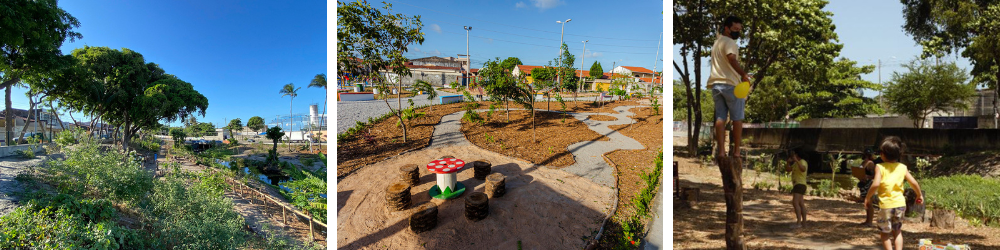
Fortaleza is a city in north-eastern Brazil that, like many other cities, has experienced accelerated urban growth marked by social inequalities. During the Covid-19 pandemic outdoor spaces provided low-risk and strategic places to re-engage with community life. The need for these spaces has continued to today. In the context of Fortaleza, where access to public leisure areas is restricted and unequal, the Urban Micro Parks have become a low-cost and fast implementation way to create places to meet in areas with high population density whilst ensuring people’s health and wellbeing.
Speakers
MC: Dr Audrey Timm
Dr Audrey Timm is a horticultural scientist specialised in ornamental horticulture. Spanning many aspects of horticulture, Audrey’s career has covered academic research in South Africa, industry support, training and on-farm research and development in Australia, and promoting the connection between design and ecology in urban landscapes with the University of Sheffield in the UK. Since joining AIPH as Technical Advisor in early 2019, Audrey leads their Green City initiative with the purpose of increasing the quality and quantity of living green in urban environments, and nurturing a strategic shift in city form and function. Audrey also manages AIPH’s programmes in Plant Health, Sustainability, and Novelty Protection. Through knowledge exchange, advocacy, and networking, Audrey supports AIPH’s position as the world’s champion for the power of plants.
Lauriane Suyin Chalmin-Pui
Lauriane is a postdoctoral Wellbeing Fellow at the Royal Horticultural Society and the University of Sheffield Department of Landscape Architecture. Her current research focus is on the influence of gardens and gardening on human health and wellbeing. The places in which we live, work, and play have an impact on our mental, physical, and social health. Lauriane’s talk will focus on the role that nature can play in enhancing our mental health. The scientific evidence base, including Lauriane’s own research, points to the critical importance of gardens for promoting and maintaining positive mental health. More than simply ornamental, urban garden landscapes and urban green infrastructure can be optimised for people and planet through linkages between the health and horticulture sectors.
Luciana Mendes Lobo
Luciana is the Secretary of Urbanism and Environment of the city of Fortaleza. Luciana is currently in charge of the Secretariat of Urban Planning and Environment.She also worked at the Secretary of Tourism of Ceará as executive secretary. She was an advisor to state bodies focused on economic development, agriculture and cattle ranching, and water resources management. Luciana is a Lawyer, specialist in Administrative Law and Process and Master in Conflict Management in Law, having developed research in the area of Digital Governance and consensual solutions of conflicts in public management. In April 2018, when she took over the head position in the Control and Ombudsman Office of Fortaleza, she became the first woman to hold the position in the Secretariat’s history.
Feature City: Bogotá D.C., Colombia
The April briefing features the winner of Category Living Green for Biodiversity category of the AIPH World Green City Awards 2022: Bogotá, Colombia
City biodiversity has an increasingly important role to play in global conservation efforts. Cities have a role in providing habitats to support ecological communities for a diverse range of living organisms. Plants provide the backbone for all nature to thrive. This webinar explores how understanding the ecology and encouraging biodiversity in a city benefits both people and nature.
Watch the webinar on-demand
“The greening of Bogotá” is a public policy included in the District Development Plan 2020-2024: “A New Social and Environmental Contract for the Bogotá of the 21st Century”. Its purpose is to improve the quality of the natural, built and regional environment from the perspective of generating well-being conditions for the population and other living beings present in the territory. Agro-ecological urban and peri-urban agriculture takes on special importance as it involves more than 120 plant species in orchards, including fruit trees, shrubs, vines, and even small plants. In 2020, this Urban Agriculture Program gained strength and prominence, resulting in more than 5,000 fortified vegetable gardens.
Speakers
MC: Jennifer Rae Pierce
Jennifer Rae Pierce is a political ecologist and urban biodiversity planner with 12 years of research on nature and cities around the world. She is a co-founder of the Urban Biodiversity Hub where she serves as a technical lead on research and policy, and as head of partnerships. She also co-leads IUCN’s Commission on Ecosystem Management Urban Ecosystems Specialist Group. She works as a Senior Policy Analyst for the Province of British Columbia on food security and climate adaptation. Jennifer is a PhD candidate at the University of British Columbia in Vancouver on the topic of engagement in urban biodiversity planning. She has an architecture degree from the Illinois Institute of Technology, a Master’s in City and Regional Planning from Cornell University and a Master’s in Environmental Science and Policy from Central European University.
Dr Eric Sanderson
Dr Eric Sanderson, Vice President of Urban Conservation Strategy, The New York Botanical Garden, joins us to discuss the principles to understanding the ecology which exists within a city’s history and how these systems develop over time. During his time at the Wildlife Conservation Society (WCS), Eric was lead scientist on the Visionmaker NYC. Visionmaker allows the public to interact with Manhattan through model estimates of the water cycle, carbon cycle, biodiversity and population. WCS also created The Mannahatta Project to uncover the original ecology of Manhattan, one of New York City’s five boroughs. Furthering this area of research, the Welikia Project goes beyond Mannahatta to encompass the entire city, discover its original ecology and compare it to what is there today.
Martha Liliana Perdomo Ramirez
Martha Liliana Perdomo Ramirez is the General Director of the Botanical Garden of Bogotá. Her objective is to lead the greening processes of the city and contribute to the formation of environmental citizenship. She is a specialist in biodiversity conservation, environmental degradation control, environmental education, environmental health management and promotion of human development and sustainable development. Martha’s experience in government includes being the District Secretary of Environment of Bogotá and advisor to the District Secretary of Health. She successfully led the Urban Agriculture Program, the Urban Tree Census, the design of ecological restoration protocols and the control of environmental deterioration factors in Bogotá. In this webinar Martha presents the ‘The greening of Bogotá’ public policy and impact of the Urban Agriculture Program.
Feature City: Paris, France
The March briefing features the winner of the ‘Living green for social cohesion’ category of the AIPH World Green City Awards 2022: Paris, France.
Greener environments encourage people to spend more time in outdoor spaces, improving social interaction and community cohesion which in turn contributes to reduced crime.
Watch the webinar on-demand
This webinar showcased the role of schoolyards in becoming transformative spaces for climate ready cities with cohesive communities. The Oasis Schoolyard’s project, launched in 2018, and, supported by the City of Paris, seeks to transform existing outdoor spaces through renewing and greening all 770 schoolyards by 2050. The project responds simultaneously to multiple urban issues such as thermal conditions, lack of green areas within the city, and the design of appropriate public spaces for children growing up in the city. This includes an active work in community cohesion improvement, which is achieved by providing the local community with free access to the schoolyards on Saturdays. By December 2021, 72 schoolyards had been transformed.
Photos by CAUE de Paris
Speakers
MC: Dominic Regester
Dominic Regester is Director of Education and Director of the Center for Education Transformation at Salzburg Global Seminar, where he is responsible for designing, developing and implementing programs on the futures of education, with a particular focus on social and emotional learning, education leadership, regenerative education, and education transformation. He works on a broad range of projects across education policy, practice, transformation, and international development, including as a Director at the Amal Alliance and as a Senior Editor for Diplomatic Courier. Since 2021 he has also served as the Executive Director of Karanga: the Global Alliance for Social Emotional Learning and Life Skills.
Heidi Campbell
Sr. Program Manager – Evergreen (Canada)
Heidi is a design professional and educator who specialises in participatory planning and design approaches for healthy, inclusive neighbourhoods. She leads iterative placemaking processes that engage the public in realising vibrant, resilient spaces for their communities.
Raphaëlle Thiollier
Raphaëlle Thiollier graduated from a political institute, she has worked for the City of Paris since 2009. Passionate about education, nature and ecological transition, Raphaëlle was a member of the Parisian Resilience team, and is now a service designer on school architecture as well as the Oasis Schoolyards Project Manager.
Feature City: Montréal, Canada
The February briefing features the winner of the ‘Living Green for Water’ category of the AIPH World Green City Awards 2022: Montréal, Canada.
In urban environment’s water plays a key role in both risk and necessity. From flood risk through to clean drinking water, how water is managed in cities is becoming an ever pressing matter.
Watch the webinar on-demand
This webinar showcases the latest research in integrating green solutions into water management, from beautiful multifunctional green spaces for reduced flooding through to changing how to respond to contaminated land. Montréal Botanical Garden’s latest project includes the creation of a phytotechnology station focused on how different plant species can be used to extract or degrade certain contaminants from soil excavated during construction works.
The webinar also addresses the integration of blue nature-based-solutions with reference to the Natural England Green Infrastructure Framework which was launched on 31st January 2023. Gary Grant is lead author of this guidance document.
Speakers
MC: Tim Badman
Tim Badman is Head of the Heritage, Culture and Youth Team in IUCN (the International Union for Conservation of Nature), which hosts IUCN’s Urban Initiative. He previously served as Director of the IUCN World Heritage Programme since 2009 and Director of the IUCN Nature-Culture Initiative in 2019-2020. He is chair of the IUCN World Heritage Panel and heads IUCN’s delegation at World Heritage Committee meetings. Tim has a background in local government, working on environmental and coastal policy and programmes. He joined IUCN having worked as team leader of the Dorset and East Devon Coast World Heritage Site, UK, and Environment Policy lead for Dorset County Council.
Gary Grant
Gary Grant is Technical Director at the Green Infrastructure Consultancy, Chartered Environmentalist, Fellow of the Chartered Institute of Ecology and Environmental Management, visiting lecturer at the Bartlett, UCL and Dept. of Landscape Architecture, University of Sheffield and Fellow of the Leeds Sustainability Institute. He is author of Green Roofs and Facades (BRE Press 2006), Ecosystem Services Come to Town – Greening cities by working with nature (Wiley 2012) and The Water Sensitive City (Wiley 2016). Projects include the Swansea City Centre Green Infrastructure Strategy, Grosvenor Square renewal, London Olympic Park Masterplan and Biodiversity Action Plan, Whitehill-Bordon Eco Town, the Natural History Museum Wildlife Garden, Education City, Qatar and Saadiyat Island Masterplan, Abu Dhabi. He has been involved in the planning, design, installation and maintenance of hundreds of urban greening projects, including green roofs, green walls, rain gardens and other interventions.
Joan Laur
Joan Laur is employed by the Research and Development Division of the Montréal Botanical Garden as Scientific Director of the Pathway to Phytotechnology major initiative and in charge of the platform associated with at the IRBV of the University of Montréal where she is an associate professor since 2021, leading a team of 12 graduate students and postdoc fellows. Her work has been awarded several times (Faculty of 1000, Carl Douglas inaugural price, Louis Berlinguet Rising star award) for her collaborative, innovative and original approaches in molecular biology, plant physiology and for the use of omics technologies.
Feature City: Mexico City, Mexico
The December briefing features the winner of the ‘Living Green for Climate Change’ category of the AIPH World Green City Awards 2022: Mexico City, Mexico.
As climate change increases pressure and challenges for cities worldwide, this session focuses on strategies that promote the power of plants in creating adapted and resilient urban environments.
Watch this session on-demand
Mexico City has been inspired to sow parks for its citizens, native wildlife and future generations. Thanks to the Green Challenge, the increase in the annual production of plants went from less than 500 thousand in 2018 to more than 10 million in 2021, which has resulted in the planting of over 34,000,000 trees and plants. Read the full case study.
Dr. Katharina Metz is an editor at the communications agency EINSATEAM and lives in Berlin. She works as content and community manager for the online learning platform use: urban sustainability exchange, which provides practical resources and promotes knowledge exchange for urban practitioners and researchers worldwide. Before pursuing a professional interest in the field of knowledge transfer, Katharina earned her doctorate in North American Studies at Freie Universität Berlin.
Mario Balzan
Dr Mario Balzan is an applied ecologist with a multidisciplinary background in environmental sciences. His research aims to improve our understanding of human impacts on biodiversity and the contributions of biodiversity and ecosystem services to human well-being. Dr Balzan is the founder ofEcostack Innovations and has been the coordinator of the ReNature Horizon 2020 project, which has established a strategy to promote research and innovation for nature-based solutions that improve human well-being in Malta.
Valder Pliego del Ángel
Valder Pliego del Ángel has a degree in Political Science and Public Administration from the National Autonomous University of Mexico, as well as a Law degree. He has specialized in areas related to Environmental Law and environmental public policies. Within the public sector, he has worked in areas such as the Sub-Prosecutor for Legal Affairs of the Environmental Prosecutor and Territorial Planning of Mexico City and the Secretariat of the Environment in the capital. He currently works as an Advisor at the Mexico City Environment Secretariat, where he has coordinated and monitored various projects related to the city’s revegetation strategy, among other topics.
Their initiative titled ‘Green Garland to the State of Telangana’ also won the Living Green for Economic Recovery and Inclusive Growth’ category.
This city’s world leading program has exemplified the power of plants to support better urban environments. With remarkable parks, plantations, and lakes this session focuses on the incredible work occurring in Hyderabad and globally to harness the opportunities found in innovative urban design.
Watch this session on-demand
Hyderabad‘s flagship program has inspired large-scale tree-planting by the Government of Telangana. Learn more about the program that was established with the aim of increasing the tree cover of the State from the current 24% to 33% of its total geographical area. Learn how they surpassed even this ambitious goal through their initiative.
Images courtesy of Greater Hyderabad Municipal Corporation (GHMC).
Speakers
MC: Bill Hardy, Chair of the AIPH Green City Committee
Bill has had many roles and responsibilities within the horticulture industry over the years and has always had an avid involvement in industry professional development, education, and certification.
Bill is active with several industry associations including: the Canadian Nursery Landscape Association – Communication Director and 2nd Vice President; HortEducationBC – Founding Director and current Business Manager; Canadian Garden Council – Founding Director and CNLA Representative; International Association of Horticulture Producers – Chair Green City Committee; and the Green Cities Foundation – Director at Large
Bishop Ngobeli, Johannesburg City Parks and Zoo
Manager: Protected Areas and Enforcement at Johannesburg City Parks and Zoo, Founder of Association of Parks and Recreation Africa. World Urban Parks Board Member and Chair the Africa Region under World Urban Parks, National Forestry Advisory Committee (South Africa), South Africa Council for Natural Scientific Profession Advisor Council.
Bishop Ngobeli is interested in advocating for Parks for All and Greening of Africa. To see every kid in Africa to have a park in the communities and have a liveable green community. We need to continue developing open spaces for our communities and greening programs will provide benefits far reaching beyond health, and wellbeing. Let’s give future generations access to the best quality, vibrant and equitable open spaces.
Arvind Kumar IAS, Special Chief Secretary, Municipal Administration & Urban Development Department, Government of Telangana
Mr. Arvind Kumar is a graduate in Economics and a post-graduate in management (MBA) from the Indian Institute of Management, Ahmedabad (IIMA). He has done Masters in Public Policy (MPP) from Woodrow Wilson School (WWS), Princeton University, USA as Robert McNarama Scholar and a course on Leadership & Globalization from LSE London, UK as a Chevening Scholar. He has been in the Indian Administrative Service (IAS) since 1991 and has worked in various capacities at the State level for over two decades which include, inter alia, carrying out all development and welfare work, on behalf of the State Government in two Districts and municipal city CEO in two cities.
From 2009-2014, Mr. Kumar worked with the Government of India as Joint Secretary in the Ministry of Finance and managed insurance and pension reforms, institutional finance including housing, MSME, microfinance, agriculture & rural credit. Mr. Kumar has been a Government nominee Director on the Boards of National Bank for Agriculture and Rural Development (NABARD), ICICI Bank Ltd, the New India Assurance Company Limited (NIACL), Small Industries Development Bank of India (SIDBI), IFCI Ltd and National Housing Bank (NHB) and IRDA among others during this period.
Mr. Kumar moved back to the State Government of Telangana in January, 2015 and worked as the Principal Secretary, Industries and Commerce, and Energy Departments. The New Industrial Policy was launched by the State in June, 2015.
Mr. Kumar is presently working as the Special Chief Secretary, Municipal Administration and Urban Development and Commissioner, Information and Public Relations Departments of the Government of Telangana.
Feature City: Doha, Qatar
October’s briefing is focused on design and plant selection for challenging climates, featuring Doha in Qatar and the upcoming Expo 2023 Doha landscape.
Techniques that enable the sustainable cultivation of trees and crops in arid lands play an important role in reversing desertification problems evident around the world.
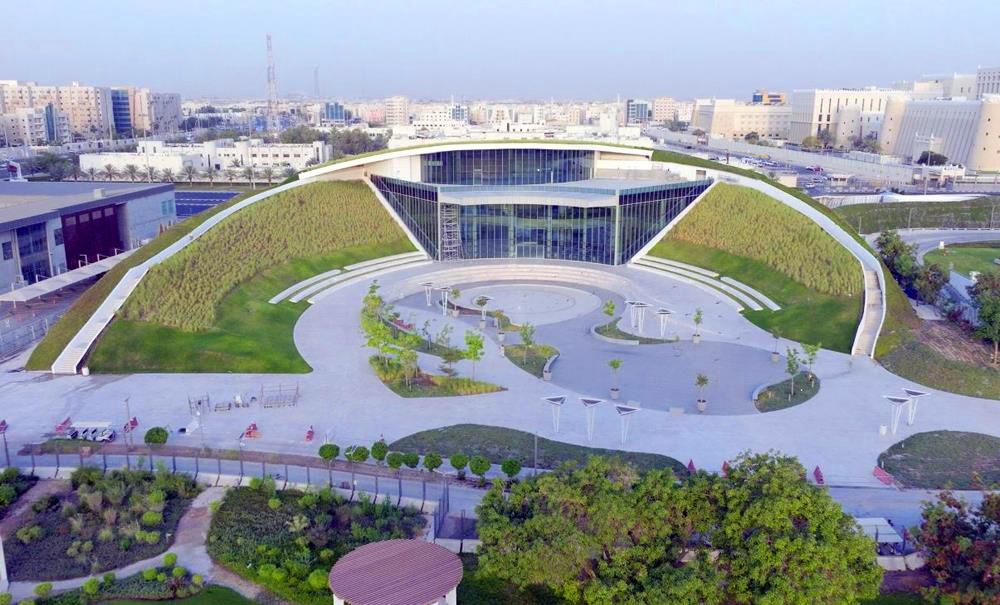
The theme of Expo 2023 Doha is ‘Green Desert, Better Environment’. The Expo aims to draw attention to the threats of desertification and the potential solutions that can be employed.
Watch this session on demand
Speakers
MC – Mark Laurence
Mark is a horticulturalist, consulting arborist and landscape designer with a particular interest in adapting landscapes to climate change, restoring ecosystem function and finding psychological and material comfort from design of good space.
A speaker and thinker on these matters, currently researching material for a book on adaptive and regenerative landscapes, human psychology and spirit in the face of climate change and responsive design approaches.
Francesco Roesler
Francesco is an enthusiastic designer and photographer; he graduated in Architecture at Politecnico of Milan in 2014 and immediately started a career as Landscape Masterplanner in Milan first and then London.
Over the past ten years he has worked for international and multidisciplinary companies such as Stefano Boeri Architetti, LAND Milan, GUILLESPIES and now Dar London.
As a designer, he has always been fascinated by Middle East; by its culture, its dramatic landscapes, harsh climate and resilient cities. At Dar he learned how to design in challenging environments, leveraging their natural assets even when they seemed invisible.
Harry Watkins
Harry Watkins is the Executive Director for St Andrews Botanic Garden in Fife, Scotland. The garden is a living research and conservation experiment where staff explore the ways ecology and evolution unfold in the plant kingdom.
Feature City: Buenos Aires, Argentina
The first AIPH Green City Briefings 2022 -23 featured Buenos Aires – a finalist in the Living Green for Social Cohesion category of the AIPH World Green City Awards 2022. See all 18 Finalists
The session focussed on how habitat conservation strategies are integrated into urban development with a particular focus on human and habitat vulnerabilities.
Watch the session on demand
Buenos Aires is the host city for the C40 Summit. In its commitment to climate solutions, Buenos Aires has committed to halving its carbon emissions by 2030 and going fully carbon neutral by 2050. The briefing focused on how Buenos Aires has accelerated its contribution to a better future for all through innovative action that focuses on the integration of nature conservation in inclusive city planning. It demonstrates how greening operates in synergy with other city initiatives, and how conservation strategies are integrated into urban development with a particular focus on participatory and associative co-management that addresses vulnerabilities.
Photos provided by Buenos Aires for their entry to the AIPH World Green City Awards 2022
Speakers
MC Dr. Heather Barrett-Mold
Heather is a Chartered Scientist, Horticulturist, and Environmentalist. Currently a consultant. Heather is an ecologist/ environmental scientist. She was Principal/CEO of Pershore Group of Colleges. She was a member of the Government Advisory Panel on Sustainable Development Education for its lifetime of 5 years, and Advisor on the Secretary of State Sounding Board. Heather was an expert with the Commission for Sustainable London 2012, and Secretary of State Board member for the Chilterns Area of Outstanding Natural Beauty. She is a Fellow of the Linnaean Society, Vice President of the Institution of Environmental Science, and Past President of the Institute of Horticulture and was Chair of the Science Council.
Gabriel Mraida
Gabriel is the President of the Housing institute since march 2021. He also was the General Manager of the organization between 2020 and 2021.
Gabriel has a robust experience in the public sector. He led the Planning and Monitoring area of the Human Development and Habitat of the City Government of Buenos Aires. He also was National Director of Crime Prevention and Violence at the National Security Ministry, and, within the political platform, he was candidate for the National Congress.
He has a Political Science Degree and a Master in Public Administration from San Andrés University. He was professor at the Moreno University for four years.
Delfina Matarazzo
Delfina is Architect from Buenos Aires University. She has worked at the City Government of Buenos Aires since 2016 in areas that lead social and urban integration Programs for vulnerable neighbourhoods. In this regard, Delfina worked at the housing improvements department of the Social and Urban Integration Secretary. Then, she led the Operational area of Urban Renewal. Since 2020, she leads the Housing Development area, focusing on urban and architectural developing projects, developing infrastructure, demolitions for opening streets and housing improvements, among others.
Nathalie Nunes
Nathalie Nunes is a French and Portuguese researcher at the Centre for Social Studies of the University of Coimbra, member of the co-coordination team of the H2020 project URBiNAT. PhD candidate in sociology of law, she graduated in international and European law, and gained international experience in Cape Verde and Brazil. She collaborated with organizations promoting and defending human rights, children’s rights, and the environment. For the Green City Briefings, she will present the development of guidelines for citizen engagement and the co-creation of nature-based solutions in the URBiNAT project.



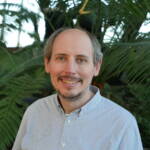 Tim Briercliffe is the Secretary General of the International Association of Horticultural Producers (AIPH), a position he has held since 2013. Tim spearheads the association’s many initiatives, including Green City, Expos, the Intelligence Centre, and more.
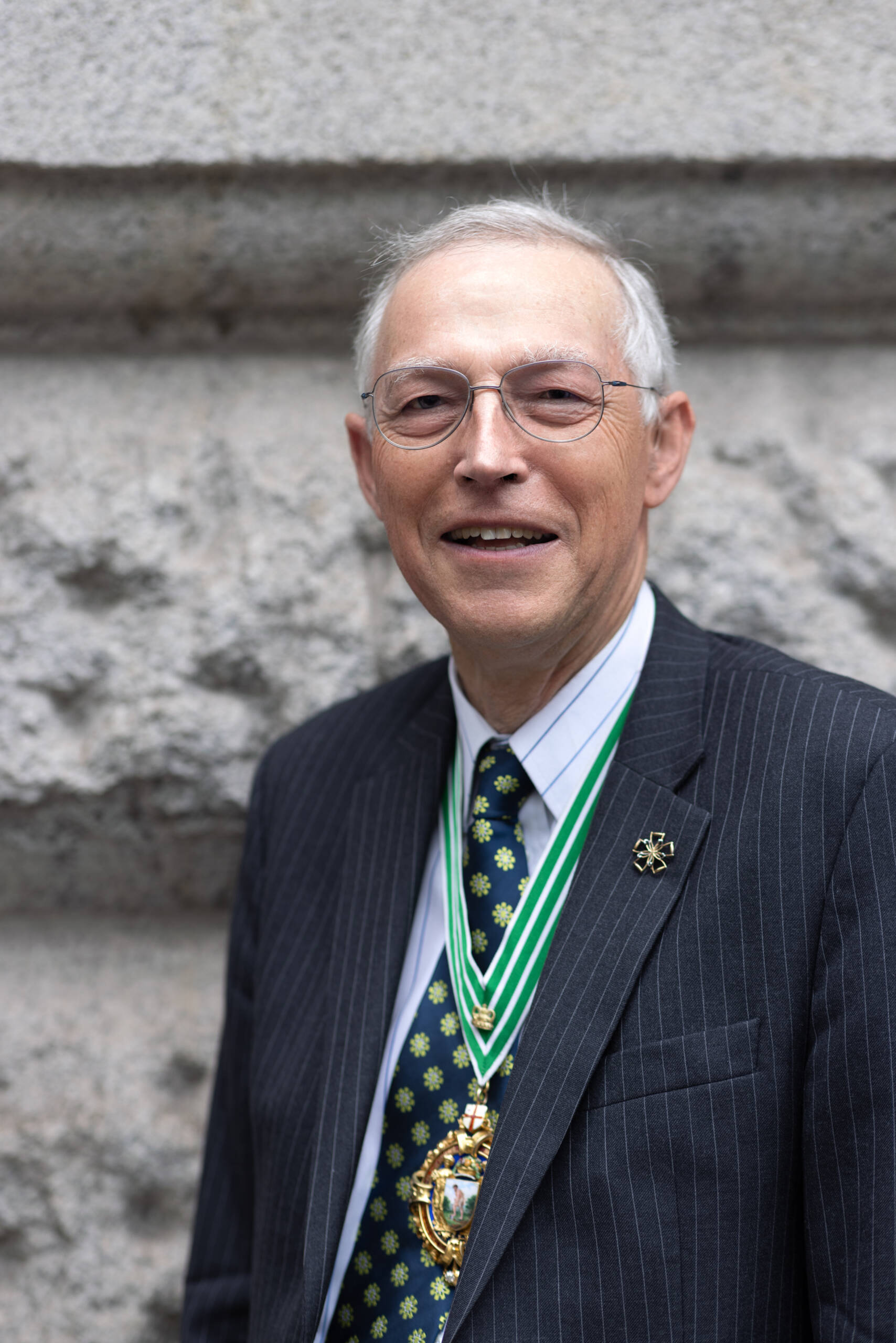
 Henrik is a scientific curator at Gothenburg Botanical Garden and teacher at the Swedish University of Agricultural Science. His research examines the selection and diversification of urban forestry with several ongoing research projects dealing with understanding plants capacity to grow and perform well in different urban environments additionally with their capacity for delivering different ecosystem services. Henrik is responsible for several plant selection projects together with the Swedish Nursery Industry with the aim to select trees and shrubs for public as well as private greeneries. This presentation will cover recent research published in
  Gordon is the District Surveyor and Environmental Resilience Director at the City of London Corporation. He has been extensively involved in the implementation of climate resilience in the Square Mile through the City Corporation’s Climate Action Strategy. He is overseeing a number of Climate Resilience initiatives including the pioneering Riverside Strategy and a series of pilot projects which will test resilience measures in the City’s public realm.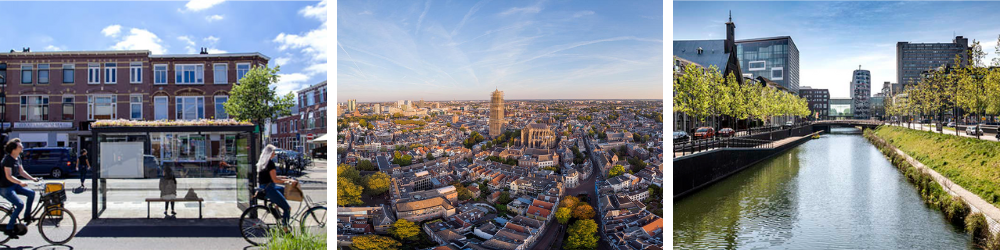
 Jayne Miller is CEO of Jayne Miller Consulting and Principal at PROS Consulting. In 2020, Jayne founded Jayne Miller Consulting to focus on advancing equity in parks and recreation.
 Hans Smolenaers is a Dutch architect, landscape architect, and urbanist. He is a Team Manager at Arcadis, a sustainable design and engineering consultancy company, where he has worked for nine years.
 Jeroen Schenkels has a background in Biology and Environmental studies. He works as senior advisor/project leader Urban Planning in the spatial development department of the city of Utrecht, specialized in environmental and green policy, nature based solutions, green structure planning and programming. He is closely involved by the Future Green City world congress 2024 on behalf of the host city of Utrecht.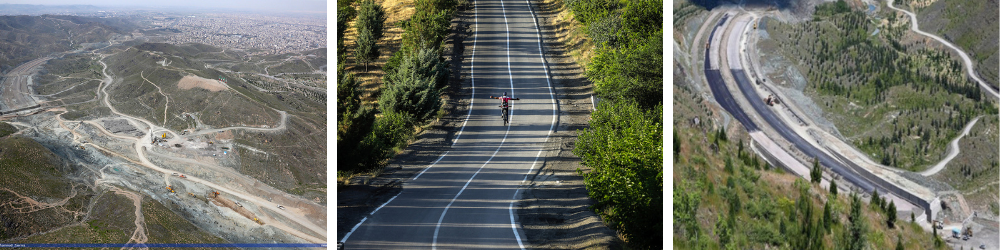
 Dr Audrey Timm is a horticultural scientist specialised in ornamental horticulture. Spanning many aspects of horticulture, Audrey’s career has covered academic research in South Africa, industry support, training and on-farm research and development in Australia, and promoting the connection between design and ecology in urban landscapes with the University of Sheffield in the UK. Since joining AIPH as Technical Advisor in early 2019, Audrey leads their Green City initiative with the purpose of increasing the quality and quantity of living green in urban environments, and nurturing a strategic shift in city form and function. Audrey also manages AIPH’s programmes in Plant Health, Sustainability, and Novelty Protection. Through knowledge exchange, advocacy, and networking, Audrey supports AIPH’s position as the world’s champion for the power of plants.
 Julian Dobson is a Senior Research Fellow at the Centre for Regional Economic and Social Research at Sheffield Hallam University. He is a researcher and writer with a broad interest in place and society, and a particular focus on the complex systemic changes required to achieve environmentally and socially just approaches to urban life. His research expertise is in social and economic regeneration, urban greenspace, town and city centres and the civic impact of universities.
 Lauriane is a postdoctoral Wellbeing Fellow at the Royal Horticultural Society and the University of Sheffield Department of Landscape Architecture. Her current research focus is on the influence of gardens and gardening on human health and wellbeing. The places in which we live, work, and play have an impact on our mental, physical, and social health. Lauriane’s talk will focus on the role that nature can play in enhancing our mental health. The scientific evidence base, including Lauriane’s own research, points to the critical importance of gardens for promoting and maintaining positive mental health. More than simply ornamental, urban garden landscapes and urban green infrastructure can be optimised for people and planet through linkages between the health and horticulture sectors.
 Luciana is the Secretary of Urbanism and Environment of the city of Fortaleza. Luciana is currently in charge of the Secretariat of Urban Planning and Environment.She also worked at the Secretary of Tourism of Ceará as executive secretary. She was an advisor to state bodies focused on economic development, agriculture and cattle ranching, and water resources management. Luciana is a Lawyer, specialist in Administrative Law and Process and Master in Conflict Management in Law, having developed research in the area of Digital Governance and consensual solutions of conflicts in public management. In April 2018, when she took over the head position in the Control and Ombudsman Office of Fortaleza, she became the first woman to hold the position in the Secretariat’s history.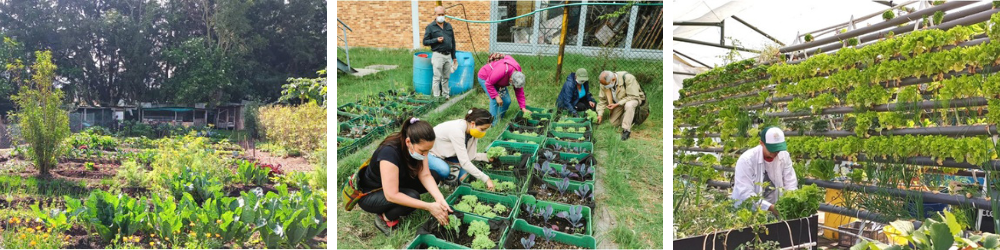

 Dr Eric Sanderson, Vice President of Urban Conservation Strategy, The New York Botanical Garden, joins us to discuss the principles to understanding the ecology which exists within a city’s history and how these systems develop over time. During his time at the Wildlife Conservation Society (WCS), Eric was lead scientist on the Visionmaker NYC. Visionmaker allows the public to interact with Manhattan through model estimates of the water cycle, carbon cycle, biodiversity and population. WCS also created The Mannahatta Project to uncover the original ecology of Manhattan, one of New York City’s five boroughs. Furthering this area of research, the Welikia Project goes beyond Mannahatta to encompass the entire city, discover its original ecology and compare it to what is there today.
 Martha Liliana Perdomo Ramirez is the General Director of the Botanical Garden of Bogotá. Her objective is to lead the greening processes of the city and contribute to the formation of environmental citizenship. She is a specialist in biodiversity conservation, environmental degradation control, environmental education, environmental health management and promotion of human development and sustainable development. Martha’s experience in government includes being the District Secretary of Environment of Bogotá and advisor to the District Secretary of Health. She successfully led the Urban Agriculture Program, the Urban Tree Census, the design of ecological restoration protocols and the control of environmental deterioration factors in Bogotá. In this webinar Martha presents the ‘The greening of Bogotá’ public policy and impact of the Urban Agriculture Program.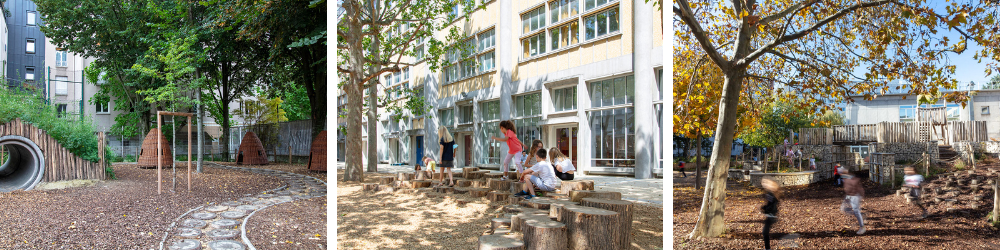
 Dominic Regester is Director of Education and Director of the Center for Education Transformation at Salzburg Global Seminar, where he is responsible for designing, developing and implementing programs on the futures of education, with a particular focus on social and emotional learning, education leadership, regenerative education, and education transformation. He works on a broad range of projects across education policy, practice, transformation, and international development, including as a Director at the Amal Alliance and as a Senior Editor for Diplomatic Courier. Since 2021 he has also served as the Executive Director of Karanga: the Global Alliance for Social Emotional Learning and Life Skills.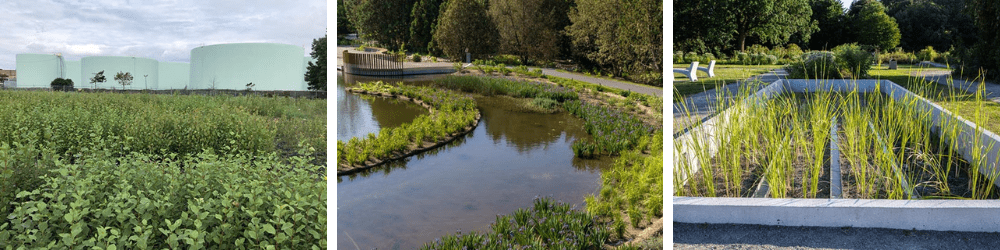
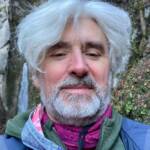 Tim Badman is Head of the Heritage, Culture and Youth Team in IUCN (the International Union for Conservation of Nature), which hosts IUCN’s Urban Initiative. He previously served as Director of the IUCN World Heritage Programme since 2009 and Director of the IUCN Nature-Culture Initiative in 2019-2020. He is chair of the IUCN World Heritage Panel and heads IUCN’s delegation at World Heritage Committee meetings. Tim has a background in local government, working on environmental and coastal policy and programmes. He joined IUCN having worked as team leader of the Dorset and East Devon Coast World Heritage Site, UK, and Environment Policy lead for Dorset County Council.
 Gary Grant is Technical Director at the Green Infrastructure Consultancy, Chartered Environmentalist, Fellow of the Chartered Institute of Ecology and Environmental Management, visiting lecturer at the Bartlett, UCL and Dept. of Landscape Architecture, University of Sheffield and Fellow of the Leeds Sustainability Institute. He is author of Green Roofs and Facades (BRE Press 2006),
 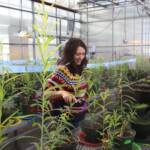 Joan Laur is employed by the Research and Development Division of the Montréal Botanical Garden as Scientific Director of the Pathway to Phytotechnology major initiative and in charge of the platform associated with at the IRBV of the University of Montréal where she is an associate professor since 2021, leading a team of 12 graduate students and postdoc fellows. Her work has been awarded several times (Faculty of 1000, Carl Douglas inaugural price, Louis Berlinguet Rising star award) for her collaborative, innovative and original approaches in molecular biology, plant physiology and for the use of omics technologies.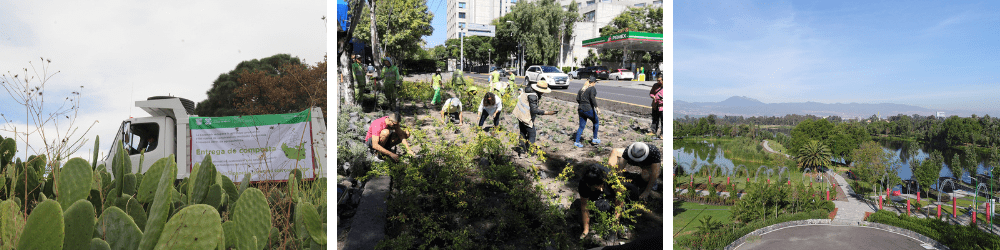
 Dr. Katharina Metz is an editor at the communications agency EINSATEAM and lives in Berlin. She works as content and community manager for the online learning platform
  Dr Mario Balzan is an applied ecologist with a multidisciplinary background in environmental sciences. His research aims to improve our understanding of human impacts on biodiversity and the contributions of biodiversity and ecosystem services to human well-being. Dr Balzan is the founder of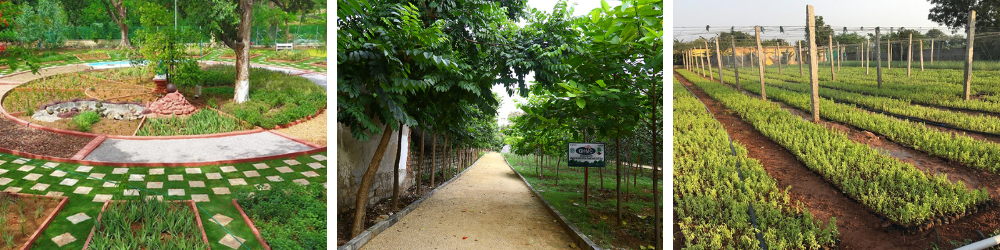
 Bill has had many roles and responsibilities within the horticulture industry over the years and has always had an avid involvement in industry professional development, education, and certification.
 Mr. Arvind Kumar is a graduate in Economics and a post-graduate in management (MBA) from the Indian Institute of Management, Ahmedabad (IIMA). He has done Masters in Public Policy (MPP) from Woodrow Wilson School (WWS), Princeton University, USA as Robert McNarama Scholar and a course on Leadership & Globalization from LSE London, UK as a Chevening Scholar. He has been in the Indian Administrative Service (IAS) since 1991 and has worked in various capacities at the State level for over two decades which include, inter alia, carrying out all development and welfare work, on behalf of the State Government in two Districts and municipal city CEO in two cities.
 Mark is a horticulturalist, consulting arborist and landscape designer with a particular interest in adapting landscapes to climate change, restoring ecosystem function and finding psychological and material comfort from design of good space.
 Francesco is an enthusiastic designer and photographer; he graduated in Architecture at Politecnico of Milan in 2014 and immediately started a career as Landscape Masterplanner in Milan first and then London.
 Harry Watkins is the Executive Director for St Andrews Botanic Garden in Fife, Scotland. The garden is a living research and conservation experiment where staff explore the ways ecology and evolution unfold in the plant kingdom.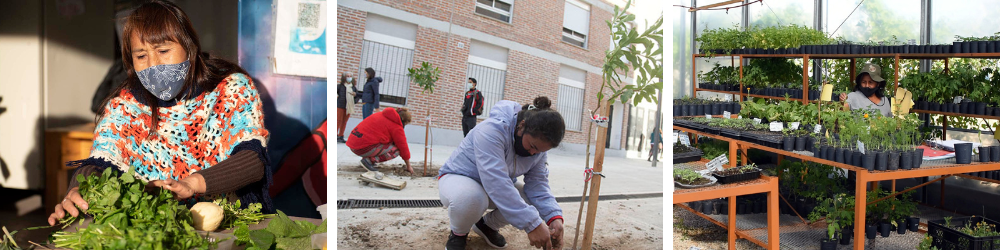
 Heather is a Chartered Scientist, Horticulturist, and Environmentalist. Currently a consultant. Heather is an ecologist/ environmental scientist. She was Principal/CEO of Pershore Group of Colleges. She was a member of the Government Advisory Panel on Sustainable Development Education for its lifetime of 5 years, and Advisor on the Secretary of State Sounding Board. Heather was an expert with the Commission for Sustainable London 2012, and Secretary of State Board member for the Chilterns Area of Outstanding Natural Beauty. She is a Fellow of the Linnaean Society, Vice President of the Institution of Environmental Science, and Past President of the Institute of Horticulture and was Chair of the Science Council.
 Gabriel is the President of the Housing institute since march 2021. He also was the General Manager of the organization between 2020 and 2021.
 Delfina is Architect from Buenos Aires University. She has worked at the City Government of Buenos Aires since 2016 in areas that lead social and urban integration Programs for vulnerable neighbourhoods. In this regard, Delfina worked at the housing improvements department of the Social and Urban Integration Secretary. Then, she led the Operational area of Urban Renewal. Since 2020, she leads the Housing Development area, focusing on urban and architectural developing projects, developing infrastructure, demolitions for opening streets and housing improvements, among others.
 Nathalie Nunes is a French and Portuguese researcher at the Centre for Social Studies of the University of Coimbra, member of the co-coordination team of the H2020 project URBiNAT. PhD candidate in sociology of law, she graduated in international and European law, and gained international experience in Cape Verde and Brazil. She collaborated with organizations promoting and defending human rights, children’s rights, and the environment. For the Green City Briefings, she will present the development of guidelines for citizen engagement and the co-creation of nature-based solutions in the URBiNAT project.