read about the latest trends
hear about new exhibtions
gain insights to our latest reports


The International Association of Horticultural Producers (AIPH) members consist of thousands of growers of flowers and ornamental plants around the world who are together united by one essential goal – promoting the place of plants in people’s lives.
About
Contact
AIPH is responsible for approving the world’s most exceptional horticultural expos creating long lasting green legacies in cities across the globe.
Overview
Media
Approved Expos
Contact
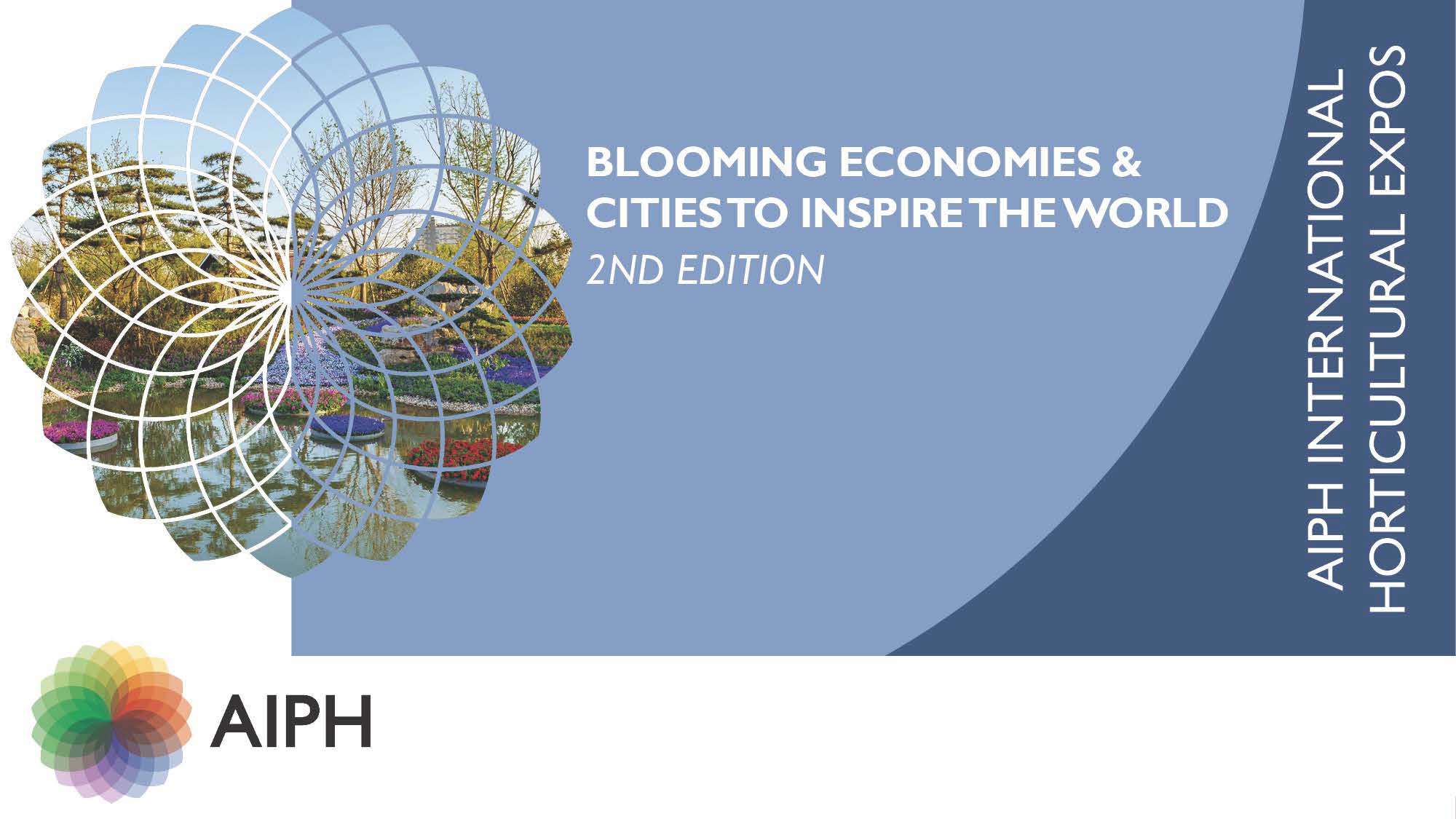
AIPH Blooming Economies & Cities to Inspire the World

AIPH Blooming Economies & Cities to Inspire The World 2.0. Up-to-date statistics from recent Expos hosted in Asia and Europe.
Learn moreAIPH hosts several conferences, webinars and events such as the International Grower of the Year award throughout the year. Read about these along with the latest news about the association’s activities.
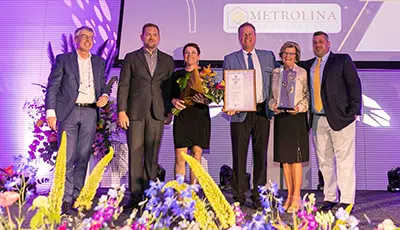
Upcoming Events
News
Previous Events
Contact
AIPH International Grower of the Year

The AIPH International Grower of the Year Awards celebrate the best of the best in ornamental horticulture
Learn moreAIPH’s key aim is to stimulate demand for ornamental trees, plants and flowers worldwide. We are committed to supporting growers in achieving this by protecting and promoting the interests of the industry.
Ornamentals Groups
Contact
The AIPH’s Global Industry Intelligence Centre (GIIC) is an international hub for industry information and knowledge exchange.
International Vision Project
Statistical Yearbook
Consultancy and Bespoke Reports
Contact
Country Profile - Thailand

The report contains insights on production and consumption of the floriculture industry in Thailand, imports and exports, and business opportunities
DownloadAIPH Green City activities promote the essential role of plants in creating vibrant urban areas in which people and businesses can thrive.
Overview
News
Green City Guidelines
World Green City Awards
Contact
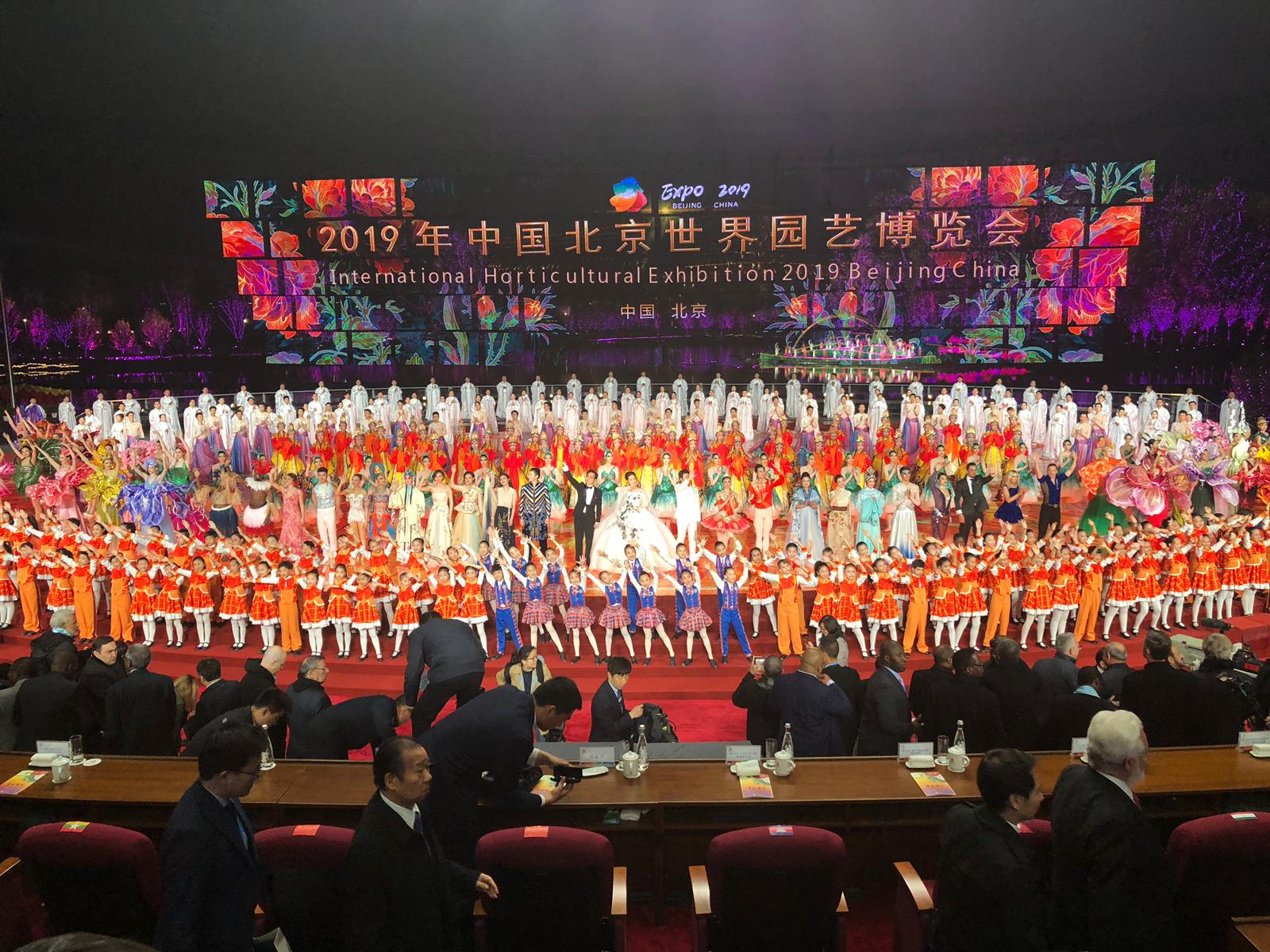
Hosting an International Horticultural Exhibition will change a city forever. Although the exhibition is relatively short-lived, the legacy can leave lasting benefits for generations to come.
AIPH is proud to have approved and supported more than 50 International Horticultural Exhibitions since 1960. We have many more on the way. This guide will help all those pursuing this noble goal and encourage many more to take on the challenge.
AIPH Regulations in conjunction with The Bureau International des Expositions (BIE) – the intergovernmental organisation in charge of overseeing and regulating World Expos – stipulates there should be a two-year calendar gap between each A1 Expo. BIE also generally agrees that AIPH will not approve an A1 Expo during the same year as a BIE-recognised World Expo. This understanding means that A1 Expos shall not be approved in years ending in numbers 0 or 5.
Successful approval from AIPH for an A1 Expo must happen from six up to 12 years before the opening date of the intended Expo.
Category B Expos can be held in the same continent and simultaneously as an A1 Expo; however, the opening dates must not clash. Likewise, if considering hosting two B Expos in the same year, there must be at least three months gap between opening each Expos’ dates on the same continent.
Successful approval from AIPH for a B Expo must happen from three up to ten years before the opening date of the intended Expo.
Please visit the bidding calendar to know when the next A1 and B category Expo slots are available.


Relevant for A1 category Expos ONLY
The Bureau International des Expositions (BIE) is the intergovernmental organisation in charge of overseeing the World Expos calendar and the bidding, the selection, and the organisation of World and International Expos. BIE may grant recognition to A1 category Expos. The BIE recognises international Horticultural Expos only after the project has first been examined and approved by AIPH.


The national government must support the application of an A1 -World Horticulture Expo.
The regional/city government must support the application of a B – International Horticulture Expo.
The support of a full AIPH member in the potential host country is necessary for both A1 and B applications.
However, in a country with no full members of AIPH, application submission may go ahead. Still, the financial guarantee will increase by 100 per cent, and AIPH may require further investigative work, which will be at the applicant’s cost.


AIPH full members are organisations that can either represent the interests of growers or both landscape businesses in their respective countries. To know if there is an AIPH member from your country, please visit the current members. It is necessary to have your regional member’s support to host an International Horticultural Expo in your country.


Please see AIPH Expo Regulations. Specific financial details can be found in Annex VIII for A1 and B category Expos.


Recent B Expo projects include Expos in Chinese Taipei, China, South Korea, Thailand, Germany, Italy and Turkey. For the complete list, please visit our Expos Calendar here.


It is crucial to inform AIPH members of your intentions to host an Expo. AIPH organises Expo conferences twice a year, where all forthcoming Expos present the advancement of their projects to AIPH members, country dignitaries and major Expo event suppliers. Make sure to book your place at these bi-annual events and manage your visibility at them by communicating with the AIPH secretariat. You can view past events here.


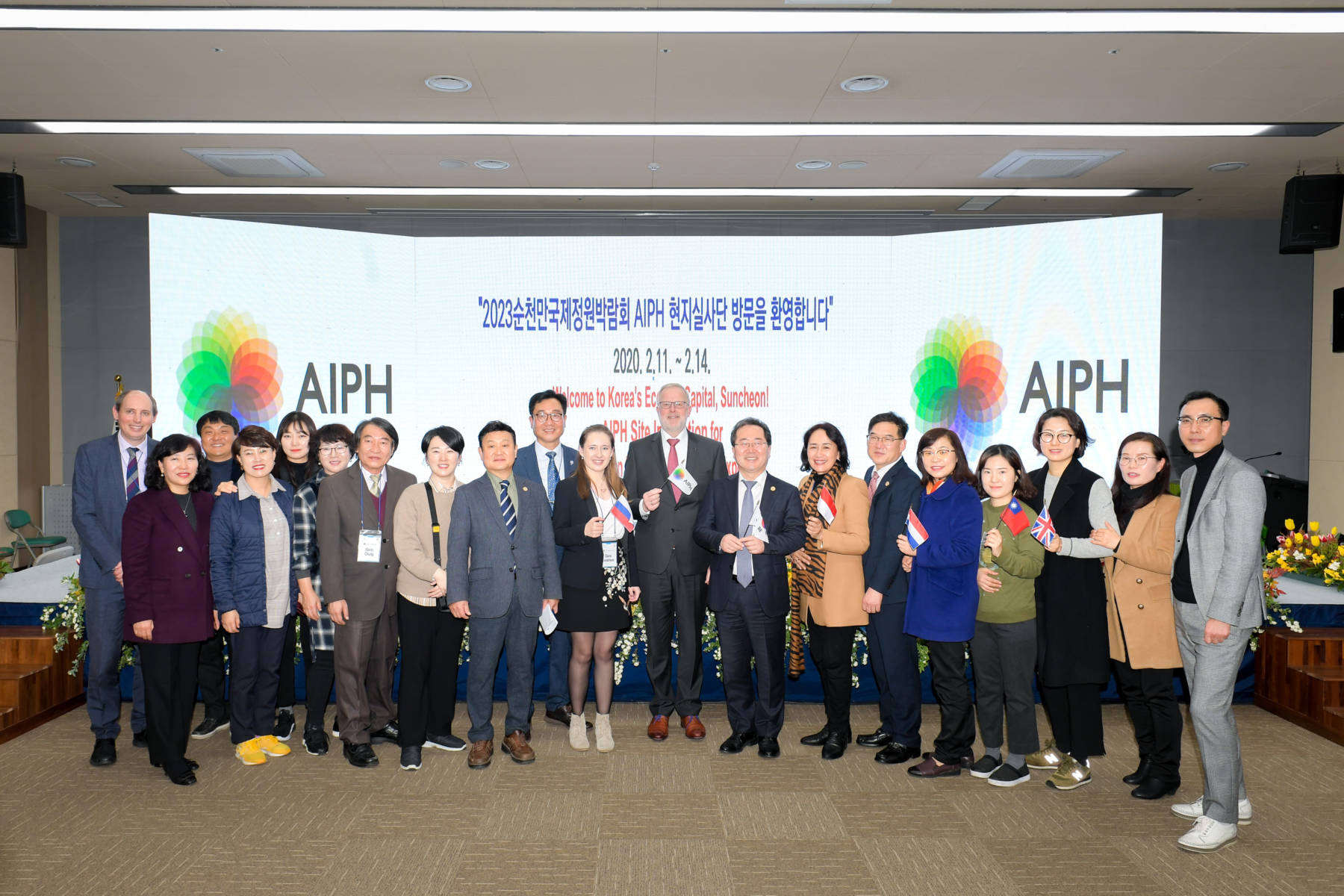
Under AIPH guidance, a potential Expo organiser will prepare a Candidature Questionnaire. Plus, obtain the support of their government and necessary funding; develop the Expo concept and reflect it in their feasibility study; host an AIPH site inspection and inform AIPH members of their intentions to apply for hosting an Expo. To know more about the application procedure, please download the Expo Application Guide.


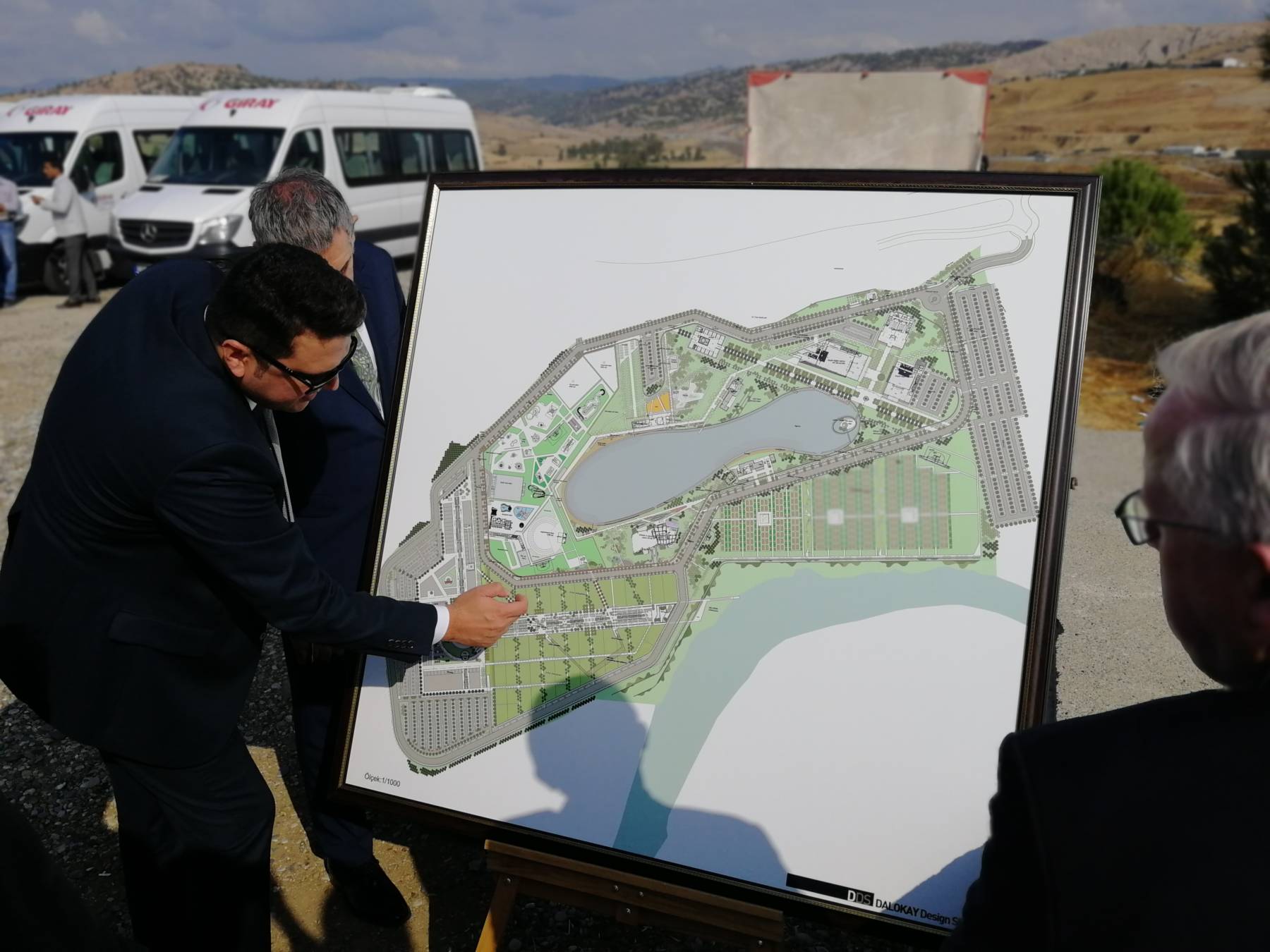
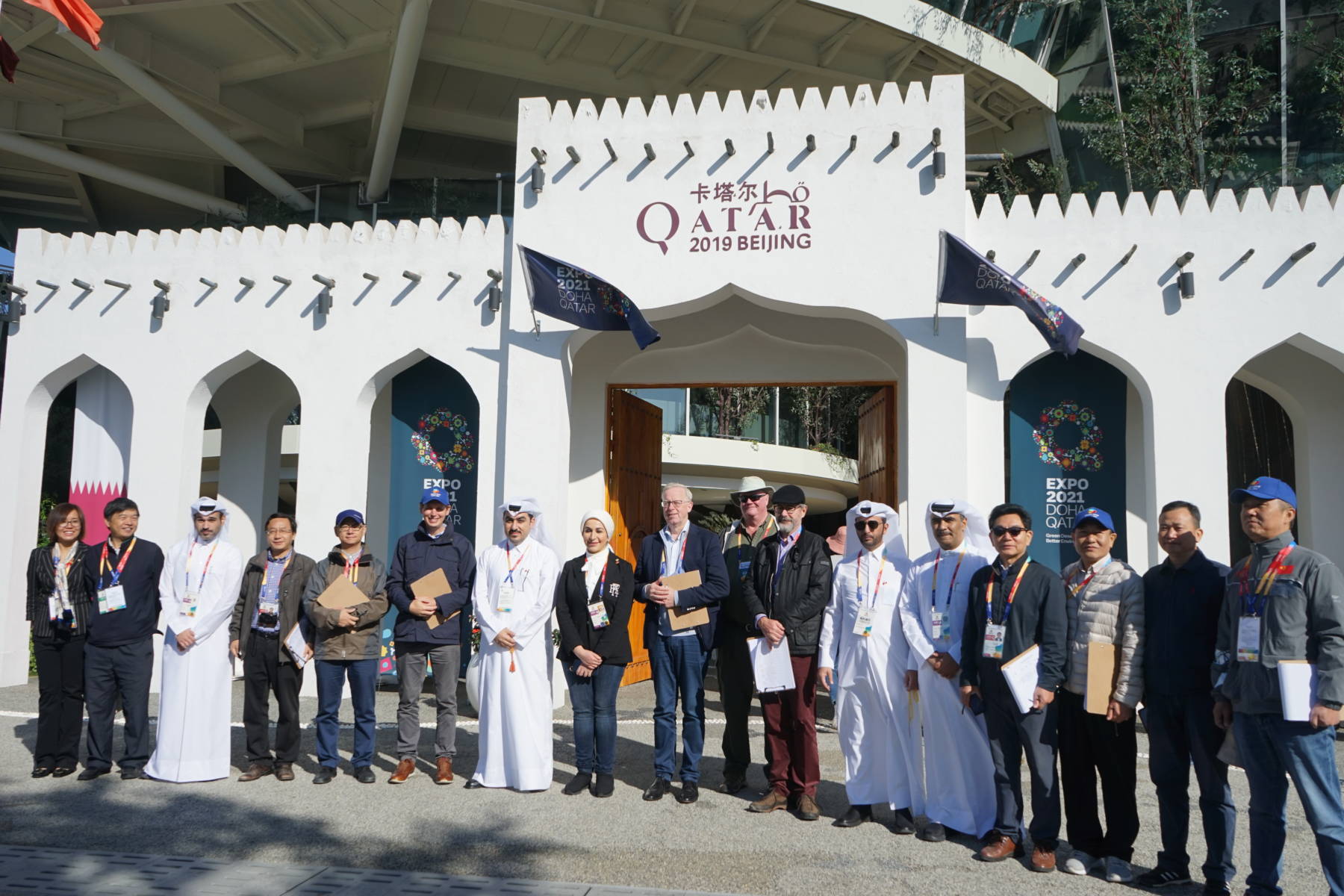
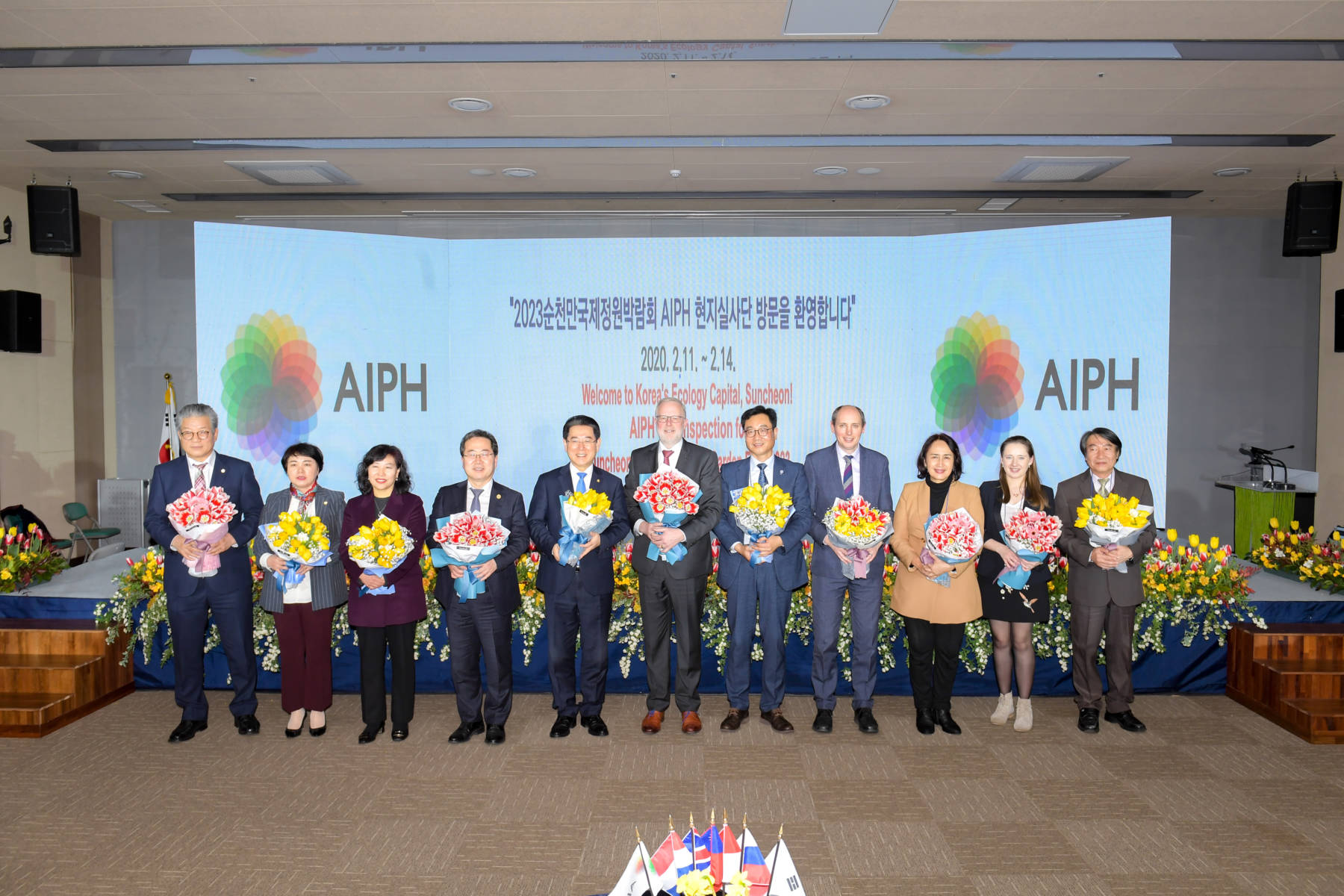
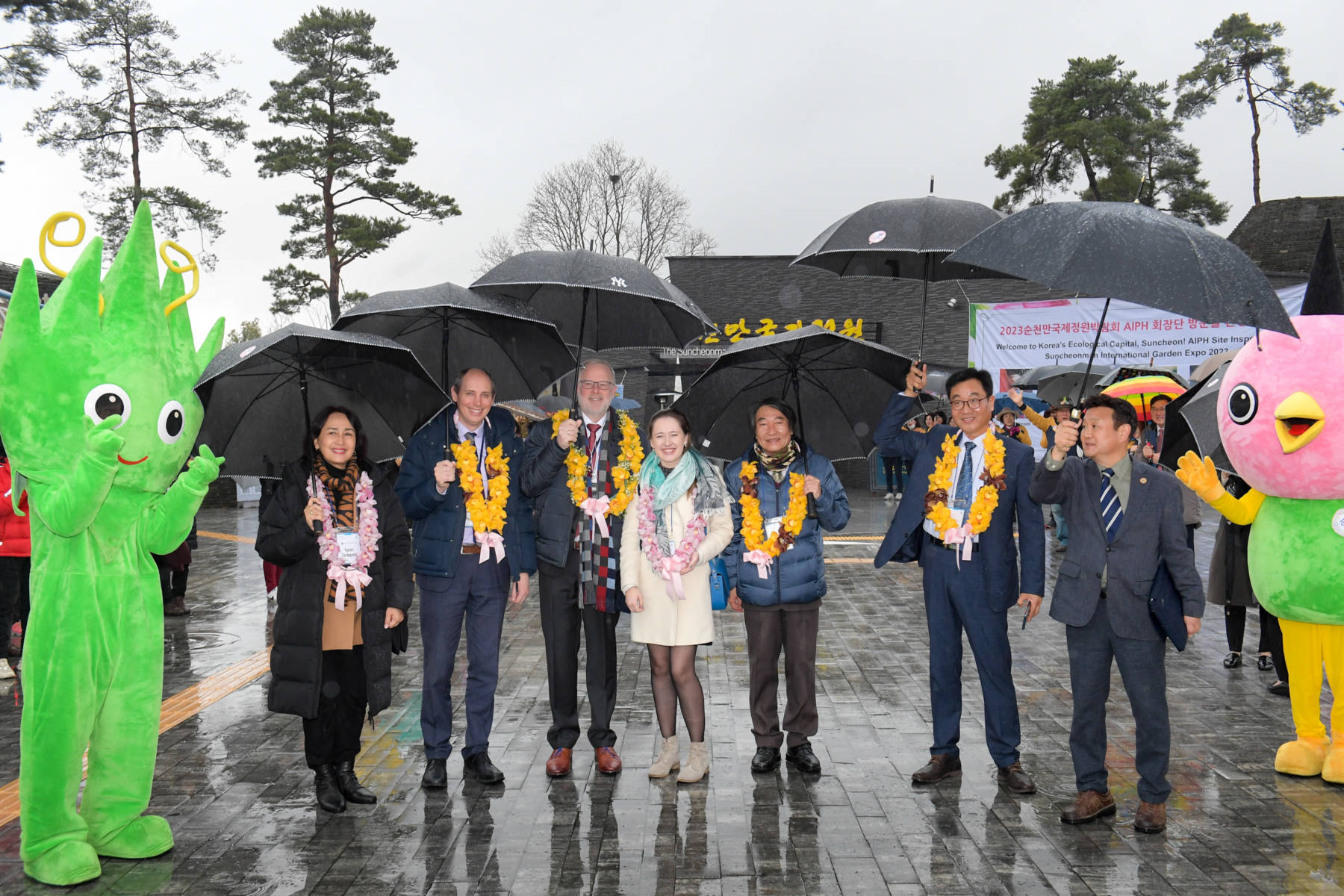
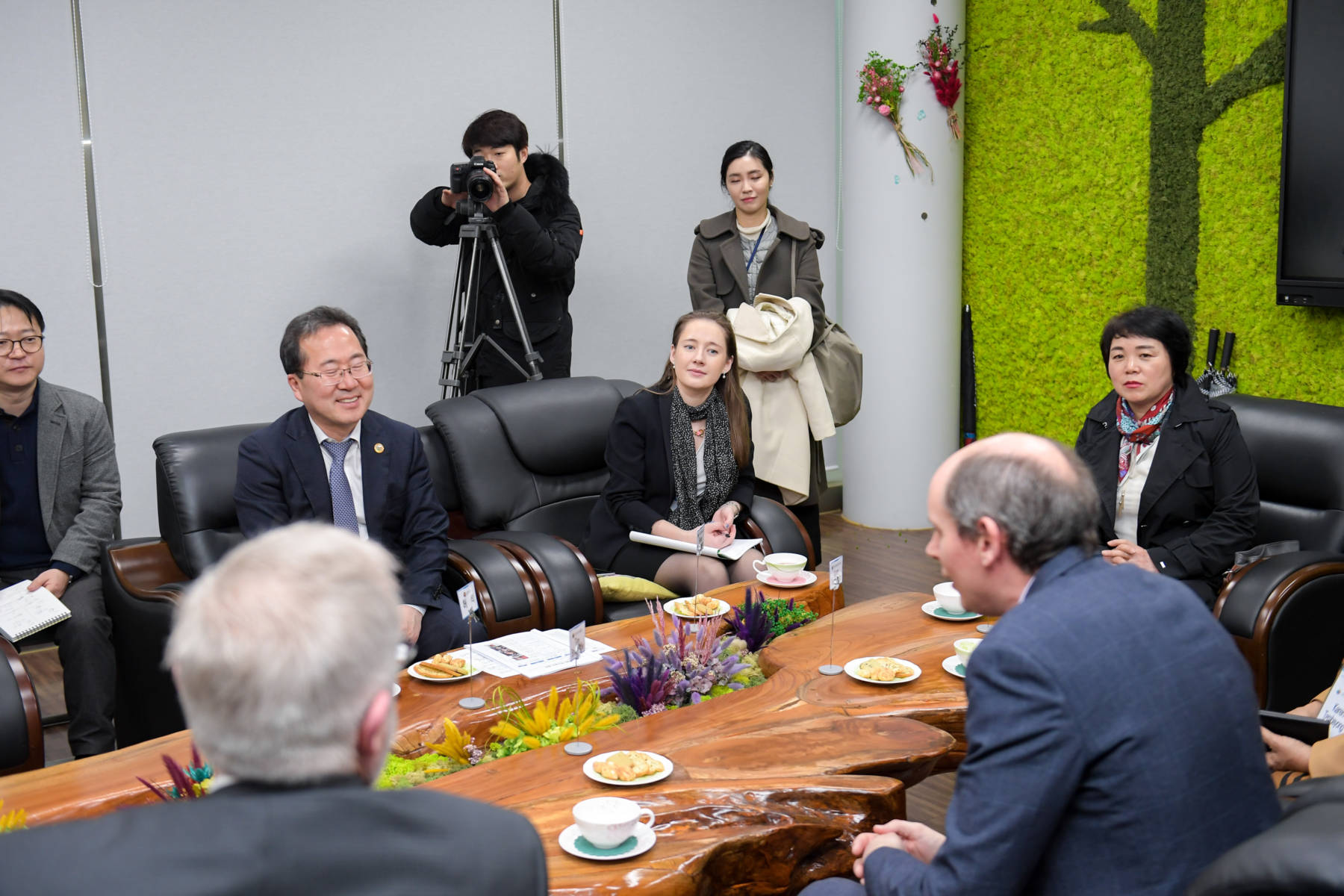
A site inspection is a visit of AIPH representatives to support the Expo project; they will review the development’s progress and provide recommendations moving forward. The first site inspection happens at least six weeks before AIPH members’ next General Meeting (either in the spring and autumn). AIPH will determine the number of inspectors within the AIPH inspection team. After the first inspection, the AIPH inspection team will produce a report. This report will be made available to the organisers and AIPH Members. Following approval, organisers will be subject to regular (at least annually) on-site inspections. Following each inspection, the AIPH inspection team will produce an update of the report, which will also be made available to the organisers and AIPH Members.


Regarding the budget, this is always a difficult question to answer because costs vary so much, depending on the region’s economy, the Expo site, the infrastructure, the Expo concept, and the expected number of visitors. AIPH Secretariat can provide you upon request with a typical sample budget for an Expo in Europe that attracts about two million people. These calculations can be a guide, but you will also need to consider your specific circumstances.


It is not necessary to incorporate the classification of “International Horticultural Exhibition” in the title of your Expo, and it is acceptable to create a name in line with your theme.