The International Association of Horticultural Producers (AIPH) members consist of thousands of growers of flowers and ornamental plants around the world who are together united by one essential goal – promoting the place of plants in people’s lives.
AIPH hosts several conferences, webinars and events such as the International Grower of the Year award throughout the year. Read about these along with the latest news about the association’s activities.
AIPH’s key aim is to stimulate demand for ornamental trees, plants and flowers worldwide. We are committed to supporting growers in achieving this by protecting and promoting the interests of the industry.
How the industry can sustain the current ‘plantdemic’
It sounds like a good problem to have. Demand for all kinds of plants – but particularly houseplants – was already rising worldwide before the coronavirus pandemic, with its lockdowns and stay-at-home policies, sent it outstripping supply by a wide margin. Now the industry needs to ensure it holds on to these customers and continue to meet their needs.
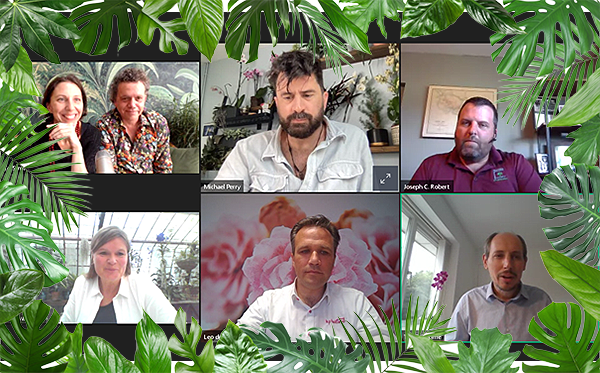
“Our industry was seeing a 25% increase in the first quarter this year compared to last; our own business saw a 60% increase,” Joseph Roberts, CEO of USA-based young plant supplier ForemostCo, told the audience. “We need to think [now] not only about how we keep those new consumers but how we catch up with that demand. It takes time and investment to scale up.”
Younger people have been driving the trend, and while sales have risen across all plant categories, foliage houseplants have seen the most significant growth.
Alice van Veen, commercial manager of retail plant supplier Royal Lemkes based in the Netherlands, echoed this position. “We had to scale-up supply of that category in a short space of time, after a period from 2007 to 2017 when there was little interest, which meant growers had been unable to invest. For Europe, market share of imported indoor green varieties have fallen in these years from around 70% to 40% due to local market growth in Asia and North America and the increase of European Lab tissue culture, cuttings, and seeds varieties.” She added: “It could be 2023 or 2024 before supply again balances with demand.”
Leo de Vries, director of the plant breeder, propagator, and grower KP Holland, said the current higher level of demand was likely to continue. “It’s a good time to invest in extra facilities,” he said. “We have to make sure we can deliver both in quantity and quality.”
At the same time, Roberts feels it is appropriate for the industry to look at pricing. “There are always economies of scale associated with expanding production, but we also have to beware of rushing in to try to double sales, for example,” he said. “There is a risk of over-producing and commodifying some lines.
“Now is the time to look at raising prices, to recognise the demand. But it must be done in a sustainable way, remaining competitive.”
If drawing level with demand is the short-term challenge, keeping all these new customers is the longer-term one.
“A lot could fall away again when they start going back to work and spending less time at home,” said Michael Perry, who runs the UK-based Mr Plant Geek social media site. “It’s a golden moment here and we need to keep customers enthused with advice and by showing them new plants to try, what’s achievable and to help them avoid failures.”
De Vries believes capitalising on the current boom in plant sales calls for a more collective effort on marketing and promotion. “A better understanding of the consumer will help decision-making by everyone, from breeders onwards,” he said. “That in turn means better supply chain co-operation, for example, sharing data about what is and isn’t selling.”
Improved supply chain communications and data sharing will also help strengthen sustainability and cut product waste and use of plastics, substrates, chemicals, and energy, said Van Veen.
She suggests sustainability of a product will become part of consumers’ perceptions of quality. “People perceive plants as ‘green’, but we have some inconvenient truths. Making the supply chain more transparent can help us address them.”
The industry could also make better use of social media to communicate with its consumers by teaming up with ‘influencers’ like the Plant Geek, believes De Vries. “The cycle for breeding new plants is longer than the cycle of short-term trends on Instagram,” he said. “We need to play a greater role in influencing trends.”
Watch the webinar on-demand:
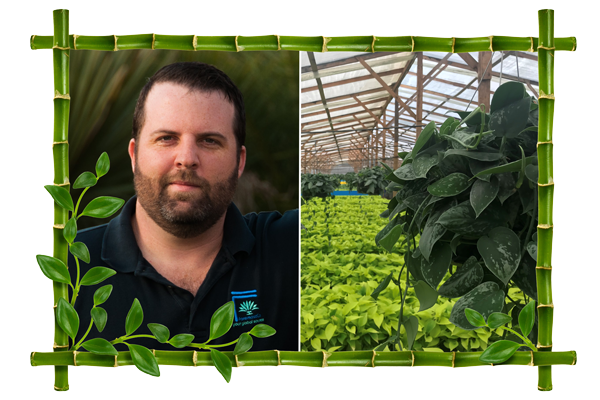
Mr Joseph C. Roberts is CEO of Miami-based supplier ForemostCo Inc. Founded in 1987, ForemostCo Inc. continues to redefine and globalize the international production of starter material. With offices and nurseries located in the United States, Costa Rica and Guatemala, as well as sourcing material from around the world, ForemostCo has become one of the largest importers of live plants to the USA. By mastering the delivery of a consistent quality product, providing exceptional service, and developing large numbers of innovative proprietary varieties, ForemostCo creates profitable opportunities for both its customers and suppliers.
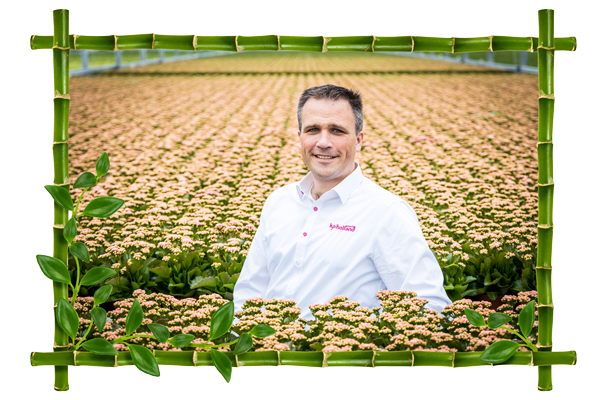
Mr Leo de Vries is the director of KP Holland in the Netherlands. He grew up as a son of a flower wholesaler. After his horticultural study, he entered the fascinating world of growing and selling potted plants. He gained experience in the sales of young plants, marketing, and concept development in relation to the sales of flowering plants. This all based on the vision: help people and companies worldwide to realise a green and blooming living environment.
KP Holland is based in the Westland region, with sites in Naaldwijk, De Lier and Maasland. The company employs a workforce of 140. Since 1950, this company trades cultivates and produces flowering plants, starting materials, and cut flowers. They specialise in plants, from breeding to product marketing. The top plants include Curcuma, Kalanchoe and Spathiphyllum.
Miss Alice van Veen is Commercial Manager for Royal Lemkes in the Netherlands. She works for a family business with a legacy of 130 years that boasts a green heart and a beautiful mission: to create a better life, stronger businesses, and a healthier, green world with plants. They serve large retailers such as IKEA, OBI, Kingfisher, ALDI, and Praxis by supplying them with the highest quality plants at the lowest cost throughout Europe.
Mr Michael Perry goes by the moniker Mr Plant Geek in the UK. Growing plants, loving plants, and sharing his experiences with plants on television, radio, podcasts, and social media has led to him holding the crown of Influencer of the Year bestowed by the UK’s Garden Media Guild. He began as a product developer for Thompson Morgan for 18-years, after which he switched to pursuing his garden personality career. This belief in plants shows he is comfortable working with industry professionals and is authentic with followers.
Founded in 1987, ForemostCo Inc. continues to redefine and globalise the international production of starter material. With offices and nurseries located in the United States, Costa Rica, and Guatemala and sourcing material from around the world, ForemostCo has become one of the largest importers of live plants to the USA. By mastering the delivery of a consistent quality product, providing exceptional service, and developing large numbers of innovative proprietary varieties, ForemostCo creates profitable opportunities for both its customers and suppliers.
By integrating worldwide operations, ForemostCo® can source quality young plants—both traditional varieties and cutting-edge product that is just being introduced to the market–and utilise the most cost-effective production techniques. In addition, to further ensure the most consistent quality, ForemostCo® conducts regular inspections and continuously works to perfect plant uniformity and performance.
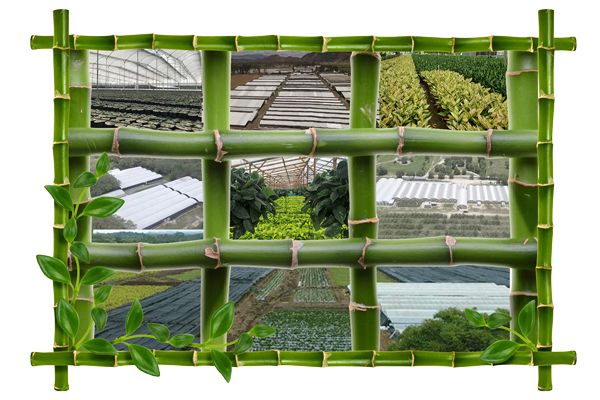
ForemostCo grows a wide range of products at their production facilities, including, but not limited to, foliage, succulents, ground covers, tropical foliage and flowers, and soft foliage. With multiple locations, they can produce these products in their optimum climate conditions and the various specifications their customers need.
ForemostCo’s logistics team is dedicated to delivering the freshest product possible and is continually looking for the best ways to get plants from around the world into its customers’ greenhouses. In the 34 years ForemostCo has been in business, they have never missed a week of shipping.



 Mr Leo de Vries is the director of KP Holland in the Netherlands. He grew up as a son of a flower wholesaler. After his horticultural study, he entered the fascinating world of growing and selling potted plants. He gained experience in the sales of young plants, marketing, and concept development in relation to the sales of flowering plants. This all based on the vision: help people and companies worldwide to realise a green and blooming living environment.
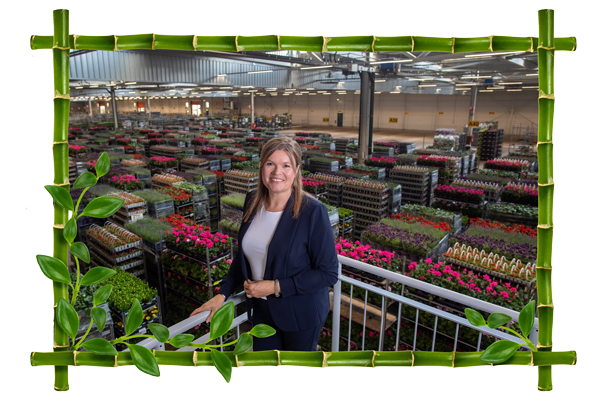 Miss Alice van Veen is Commercial Manager for Royal Lemkes in the Netherlands. She works for a family business with a legacy of 130 years that boasts a green heart and a beautiful mission: to create a better life, stronger businesses, and a healthier, green world with plants. They serve large retailers such as IKEA, OBI, Kingfisher, ALDI, and Praxis by supplying them with the highest quality plants at the lowest cost throughout Europe.
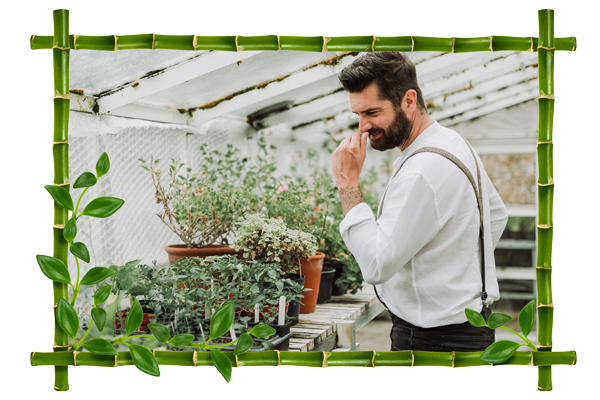 Mr Michael Perry goes by the moniker Mr Plant Geek in the UK. Growing plants, loving plants, and sharing his experiences with plants on television, radio, podcasts, and social media has led to him holding the crown of Influencer of the Year bestowed by the UK’s Garden Media Guild. He began as a product developer for Thompson Morgan for 18-years, after which he switched to pursuing his garden personality career. This belief in plants shows he is comfortable working with industry professionals and is authentic with followers.